Công ty Hải Đức Bột với hơn 10 năm kinh nghiệm vận chuyển khí, cung cấp hệ thống‑thiết bị‑quạt gió và nhận dự án tổng thầu bột cả nước
Efficient and reliable corn kernel conveying is a critical aspect of modern agricultural and food processing operations. The proper selection of conveying methods ensures the safe and efficient movement of corn kernels from storage to processing units, minimizing losses and optimizing production efficiency. This article explores the various methods used for corn kernel conveying, highlighting the key factors that influence the choice of system for different applications. As a leading manufacturer in the field, Shandong HeadPowder Engineering Co., Ltd. specializes in providing tailored conveying solutions for corn processing operations.
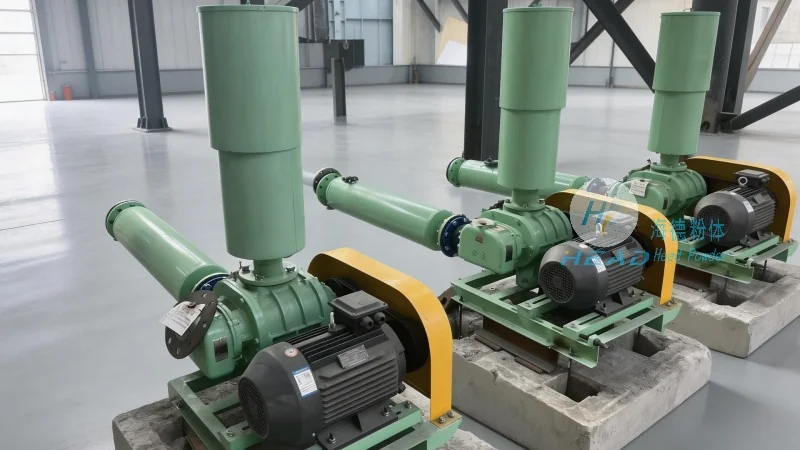
Overview of Corn Kernel Conveying Systems
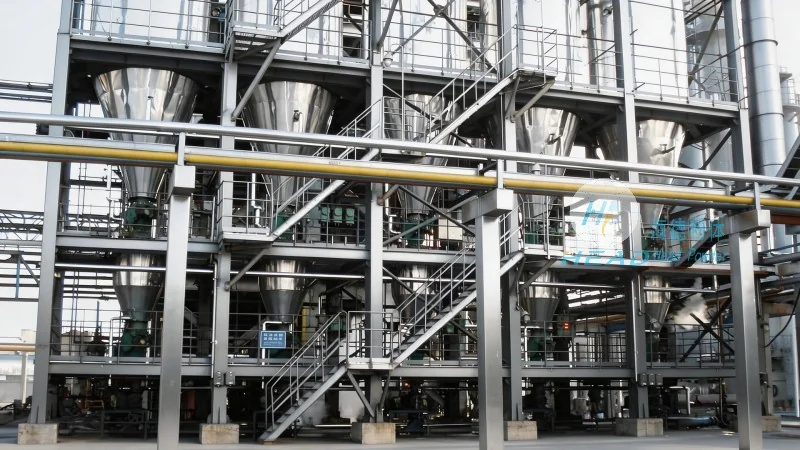
Before delving into specific conveying methods, it's essential to understand the fundamental components and considerations that define effective corn kernel conveying. Corn kernels are typically stored in bulk, requiring systems that can handle large volumes while maintaining product integrity. Key factors include the distance to be covered, the height of elevation, the required flow rate, and the need to prevent breakage or contamination of the kernels. These factors guide the selection of the most suitable conveying technology for a given operation.
1. Mechanical Conveyors for Corn Kernel Transport
Mechanical conveyors are among the most traditional and widely used methods for corn kernel conveying. These systems rely on mechanical components to move kernels through a system, offering a reliable and straightforward approach to material handling. The primary types of mechanical conveyors used in corn processing include belt conveyors, screw conveyors, and chain conveyors, each with distinct advantages and applications.
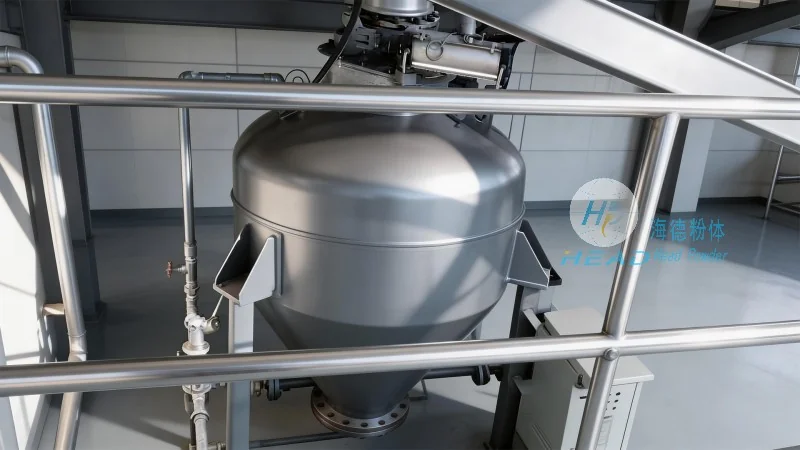
Belt conveyors, for instance, are ideal for transporting corn kernels over long distances and at relatively high speeds. They consist of a continuous belt that moves over rollers or pulleys, with the kernels placed on the belt and carried to the destination. This method is particularly effective for horizontal or slightly inclined transport, making it suitable for moving kernels from storage silos to processing lines or for transferring kernels between different processing stages.
Screw conveyors, also known as auger conveyors, use a rotating screw to push corn kernels forward. These conveyors are highly effective for vertical or inclined transport, as the screw can lift kernels to elevated levels while maintaining a consistent flow. Screw conveyors are often used in processing plants to move kernels from ground level to storage bins or to feed processing equipment. They are particularly useful when the conveying distance is short and the need for elevation is significant.
Chain conveyors, on the other hand, utilize a series of connected links or chains to transport corn kernels. These systems are robust and can handle heavy loads, making them suitable for high-volume conveying applications. Chain conveyors are often used in bulk handling operations where the kernels need to be moved over long distances or through complex layouts. They are particularly effective when the conveying path includes multiple turns or changes in direction.
2. Pneumatic Conveying Systems for Corn Kernels
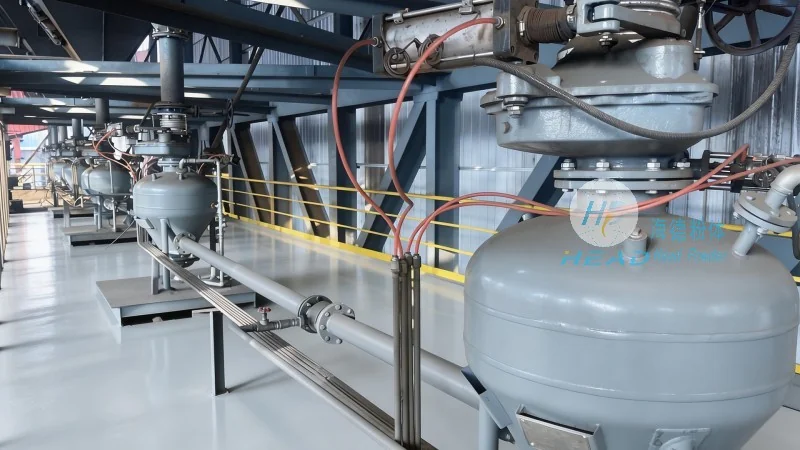
Pneumatic conveying systems use air or other gases to transport corn kernels through a pipeline. This method is particularly advantageous for applications where dust control, contamination prevention, or the need to handle fine or fragile materials is critical. Pneumatic conveyors can be categorized into two main types: pressure and vacuum systems, each with specific applications and benefits.
Pressure pneumatic conveying systems operate by forcing air or gas into a pipeline at a pressure higher than the ambient air pressure. The corn kernels are then drawn into the pipeline by the pressure differential and transported to the destination. This method is ideal for short to medium distances and is commonly used in processing plants to move kernels from storage to processing equipment or for transferring kernels between different processing stages. Pressure systems are particularly effective when the conveying distance is limited and the need for high flow rates is present.

 Công ty TNHH Kỹ thuật Công trình Bột Hải Đức Sơn Đông
 156-6277-7102(Quản lý Trương)
  0531-83386006
  Quận Chương Khâu, Thành phố Tế Nam, Tỉnh Sơn Đông, Trung Quốc
Điện thoại
WeChatTư vấn
Lên đầu