Công ty Hải Đức Bột với hơn 10 năm kinh nghiệm vận chuyển khí, cung cấp hệ thống‑thiết bị‑quạt gió và nhận dự án tổng thầu bột cả nước
Grass powder, a vital component in numerous industrial processes, necessitates efficient and reliable transport methods to ensure seamless production workflows. The selection of a conveying system directly impacts operational efficiency, material integrity, and overall cost-effectiveness. This article delves into the various grass powder conveying methods available, with a particular emphasis on the advantages and features of pneumatic conveying, a widely adopted solution in the industry.
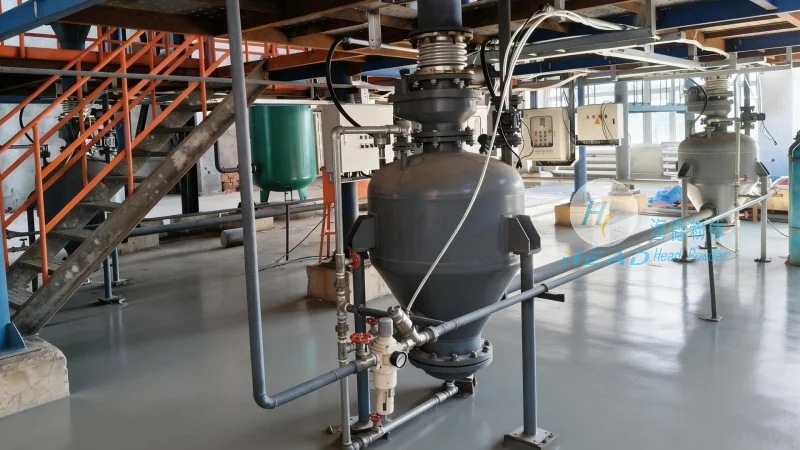
Overview of Grass Powder Conveying Methods
Conveying grass powder involves transporting fine material from one location to another within a processing facility. Traditional methods such as belt conveyors, screw conveyors, and bucket elevators have been utilized for decades, yet they often encounter challenges when handling fine powders prone to dust and clogging. These conventional systems may require supplementary equipment for dust control and may not be suitable for long-distance or high-volume transport. In contrast, pneumatic conveying offers a more flexible and efficient solution tailored to the unique characteristics of grass powder.
Pneumatic Conveying: The Preferred Method for Grass Powder Transport
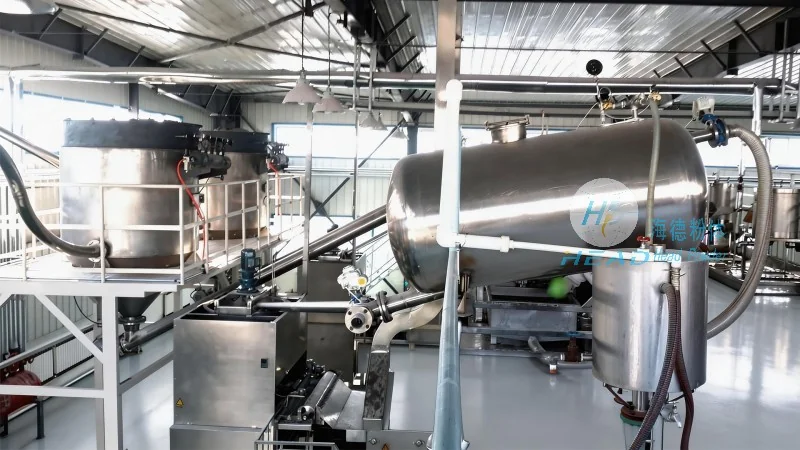
Pneumatic conveying leverages air or other gases to transport dry materials through a pipeline system. It is particularly effective for grass powder due to its ability to handle fine particles, minimize dust generation, and preserve material integrity. The system typically comprises a hopper, a conveyor line, and a receiver, with the material being drawn or pushed through the pipeline by the air flow. There are two primary types of pneumatic conveying: pressure and vacuum systems. Pressure systems utilize positive pressure to push the material through the line, while vacuum systems employ negative pressure to pull the material from the source. Both methods can be adapted to suit different operational requirements and distances.
Advantages of Pneumatic Conveying for Grass Powder
One of the primary advantages of pneumatic conveying for grass powder is its capability to handle fine, abrasive materials without causing excessive wear on equipment. Unlike mechanical conveyors that rely on moving parts, pneumatic systems use flexible hoses or rigid pipes, reducing the risk of material buildup and clogging. This results in lower maintenance costs and longer equipment lifespan. Additionally, pneumatic conveying offers excellent dust control, as the material is contained within the pipeline, preventing airborne dust from spreading and affecting the working environment. This is crucial for maintaining air quality and ensuring compliance with occupational health and safety regulations.
Key Features of Pneumatic Conveying Systems for Grass Powder
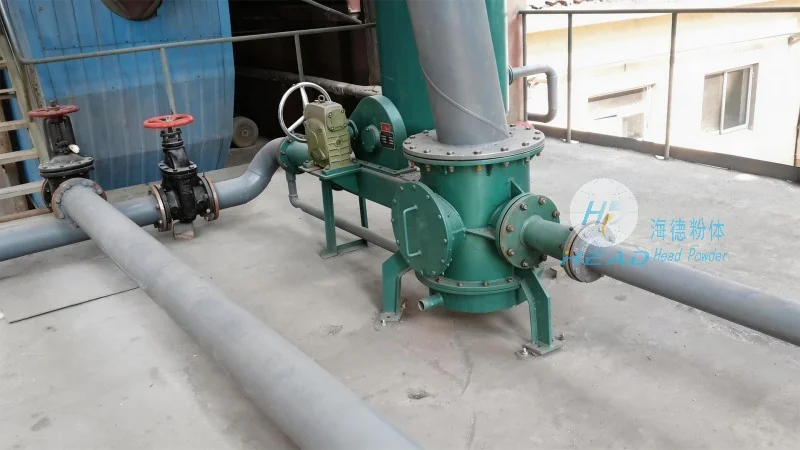
Modern pneumatic conveying systems for grass powder are equipped with advanced features that enhance performance and reliability. These include: 1. Adjustable Airflow Control, which allows operators to optimize the air velocity to match the material's characteristics, ensuring efficient transport without excessive energy consumption. 2. Material Separation and Cleaning, where the system can incorporate cyclones or filters to separate fine particles from the air stream, preventing dust accumulation and maintaining system efficiency. 3. Modular Design, enabling easy integration with existing production lines and flexibility to expand or modify the system as production needs change. 4. Energy Efficiency, with some systems utilizing variable frequency drives to adjust motor speed based on the material flow, reducing energy waste and operational costs.
Applications of Pneumatic Conveying in Grass Powder Processing
Pneumatic conveying is widely utilized in various applications involving grass powder, including: 1. Feed Production, where grass powder is mixed with other ingredients to create animal feed, requiring precise and dust-free transport to maintain product quality. 2. Fertilizer Manufacturing, where grass powder is processed into organic fertilizers, and the conveying system must handle fine particles without causing contamination. 3. Biogas Production, where grass powder is used as a substrate for anaerobic digestion, and the system needs to transport the material to the digester efficiently. 4. Industrial Processing, where grass powder is used as a raw material in the production of biofuels or other chemical products, demanding reliable and consistent transport.
Conclusion and Company Introduction
Choosing the right conveying method for grass powder is critical to optimizing production efficiency and maintaining product quality. Pneumatic conveying stands out as a superior solution due to its ability to handle fine materials, minimize dust, and reduce maintenance requirements. Shandong HeadPowder Engineering Co., Ltd., a leading manufacturer of pneumatic conveying systems, specializes in providing customized solutions tailored to the unique needs of grass powder processing. With years of experience and a commitment to quality, HeadPowder offers advanced pneumatic conveying systems that enhance operational efficiency and ensure long-term reliability. Based in Shandong, China, HeadPowder serves clients globally, delivering innovative solutions that meet the evolving demands of the industry.

 Công ty TNHH Kỹ thuật Công trình Bột Hải Đức Sơn Đông
 156-6277-7102(Quản lý Trương)
  0531-83386006
  Quận Chương Khâu, Thành phố Tế Nam, Tỉnh Sơn Đông, Trung Quốc
Điện thoại
WeChatTư vấn
Lên đầu