Công ty Hải Đức Bột với hơn 10 năm kinh nghiệm vận chuyển khí, cung cấp hệ thống‑thiết bị‑quạt gió và nhận dự án tổng thầu bột cả nước
When it comes to handling and transporting silica micropowder, selecting the right conveying method is crucial for maintaining efficiency, product quality, and operational safety. Silica micropowder, with its fine particle size and potential for dust generation, requires specialized equipment and techniques to ensure smooth and reliable transport. In this article, we explore the common methods used for silica micropowder conveying, focusing on the approaches that are most effective for this specific material.
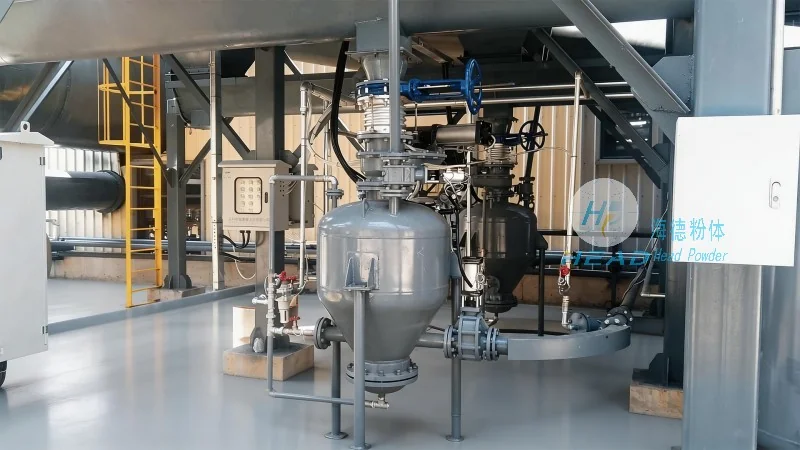
1. Air-Pressure Conveying Systems
Air-pressure conveying, also known as pneumatic conveying, is a widely used method for transporting silica micropowder. This technique utilizes compressed air to move the powder through a pipeline system. The process involves creating a pressure differential between the inlet and outlet of the conveying line, which draws the powder particles into the air stream. There are two main types of pneumatic conveying systems: dilute-phase and dense-phase. Dilute-phase systems use low air velocity and high air-to-powder ratios, making them suitable for long-distance transport and low to medium particle concentrations. Dense-phase systems, on the other hand, operate at higher air velocities and lower air-to-powder ratios, which helps to minimize particle degradation and prevent clogging in the pipeline. The choice between these systems depends on factors such as the required conveying distance, the volume of material to be transported, and the characteristics of the silica micropowder, including its particle size distribution and moisture content. For silica micropowder, which can be sensitive to high velocities and pressure changes, dense-phase systems are often preferred to ensure minimal product damage and consistent flow.
2. Screw Conveyors
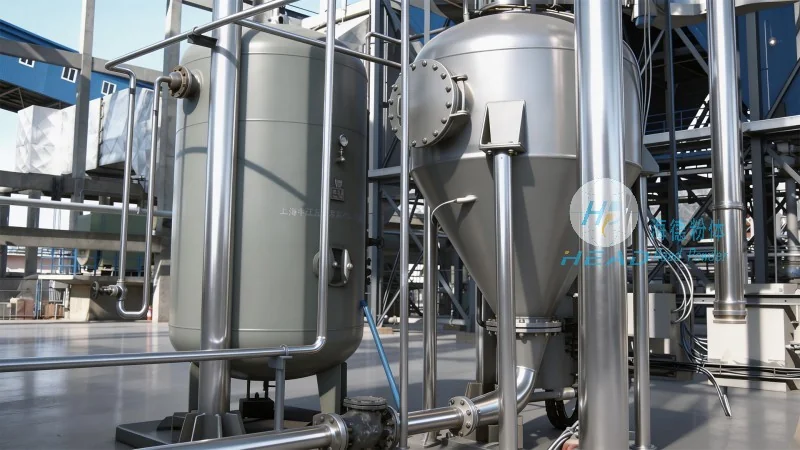
Screw conveyors, also known as auger conveyors, are another common method for transporting silica micropowder. These systems consist of a rotating screw (auger) enclosed in a trough or tube, which moves the powder along the length of the conveyor. The screw's rotation creates a pushing action that propels the material forward. Screw conveyors are particularly effective for handling dry, free-flowing powders like silica micropowder, as they can maintain a consistent flow without the need for additional air or pressure. They are also suitable for vertical or inclined transport, making them versatile for various industrial applications. However, screw conveyors may not be ideal for very fine or cohesive powders, as the screw design can lead to material buildup and clogging if the powder has high moisture content or is prone to agglomeration. To mitigate these issues, some screw conveyors are equipped with special designs, such as flights with a helical pitch that reduces friction and promotes better material release. Additionally, the use of a discharge valve at the end of the conveyor can help control the flow rate and prevent overloading, ensuring smooth operation.
3. Belt Conveyors
Belt conveyors are a classic and widely adopted method for transporting bulk materials, including silica micropowder. This system uses a continuous belt that moves over rollers or a flat surface, carrying the powder from one location to another. The belt is typically made of durable materials like rubber or PVC, which can withstand the abrasive nature of silica micropowder and resist wear and tear over time. Belt conveyors are suitable for both horizontal and inclined transport and can handle large volumes of material with minimal maintenance. They are particularly effective for applications where the powder needs to be transported over long distances or through multiple stages of processing. However, belt conveyors require regular cleaning and maintenance to prevent the buildup of dust and debris, which can affect the performance and longevity of the system. The design of the belt and the spacing of the rollers are critical factors in ensuring efficient transport of silica micropowder, as improper spacing can lead to material slipping or uneven distribution along the belt. Additionally, the use of a dust suppression system, such as a cover or a sealing mechanism, can help minimize dust emissions and improve safety in the workplace.
4. Hydraulic Conveying
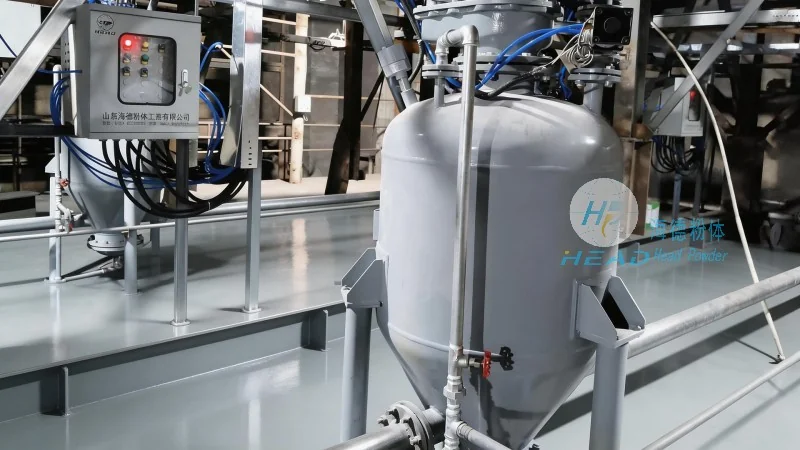
Hydraulic conveying is a less common but effective method for transporting silica micropowder, especially in applications where other methods may not be suitable. This technique involves using a liquid medium, such as water or a specialized hydraulic fluid, to carry the powder through a pipeline. The liquid acts as a carrier, suspending the powder particles and transporting them to the desired location. Hydraulic conveying is particularly useful for handling very fine or abrasive powders, as the liquid helps to reduce friction and prevent particle degradation. However, this method has some drawbacks, including the need for additional equipment to separate the liquid from the powder at the end of the conveying line and the potential for increased maintenance due to the presence of liquid. The choice of hydraulic conveying depends on factors such as the particle size of the silica micropowder, the distance to be covered, and the availability of water or other suitable liquids. For example, in mining or mineral processing applications, hydraulic conveying may be used to transport silica micropowder from a crusher to a storage silo, where the liquid can be recovered and reused. This method is generally more expensive and complex than pneumatic or mechanical conveying systems, but it offers advantages in terms of reduced dust generation and improved material handling for certain applications.
5. Vibrating Conveyors
Vibrating conveyors are another option for transporting silica micropowder, especially for materials that are prone to clogging or have high moisture content. These systems use a vibrating mechanism to move the powder along a trough or tube. The vibration causes the powder to move forward in a series of small, jerky motions, which helps to break up any agglomerates and prevent material buildup. Vibrating conveyors are particularly effective for handling cohesive or sticky powders, as the vibration helps to maintain a consistent flow and prevent clogging in the conveyor. They are also suitable for vertical or inclined transport and can handle large volumes of material with minimal maintenance. The design of the vibrating mechanism, including the frequency and amplitude of the vibration, is critical in ensuring efficient transport of silica micropowder. Too low a frequency may result in insufficient movement, while too high a frequency can cause excessive wear on the conveyor components. Additionally, the use of a hopper or feeder at the inlet of the vibrating conveyor can help control the flow rate and prevent overloading, ensuring smooth operation. Vibrating conveyors are often used in industries such as food processing, pharmaceuticals, and chemical manufacturing, where the transport of fine powders requires careful control to maintain product quality and safety.
6. Air-Lift Conveyors
Air-lift conveyors are a specialized type of pneumatic conveying system that uses a vertical pipeline to transport silica micropowder. This method involves creating a pressure difference between the top and bottom of the pipeline, which draws the powder particles upward through the air stream. The air-lift conveyor is particularly effective for vertical transport, as it can move the powder from a lower level to a higher level without the need for additional equipment or energy. This makes it an ideal solution for applications where the material needs to be elevated, such as in storage silos or processing plants. The design of the air-lift conveyor includes a hopper at the bottom to collect the powder and a venturi or nozzle at the top to create the necessary pressure differential. The air flow rate and the size of the pipeline are critical factors in determining the conveying capacity of the system. For silica micropowder, which can be sensitive to high velocities and pressure changes, the air-lift conveyor is often equipped with a pressure regulator and a dust filter to ensure minimal product damage and consistent flow. Additionally, the use of a cyclone separator at the top of the pipeline can help remove any fine particles from the air stream, improving the efficiency of the system and reducing the risk of dust emissions. Air-lift conveyors are commonly used in industries such as cement, mining, and chemical processing, where vertical transport of bulk materials is required.

 Công ty TNHH Kỹ thuật Công trình Bột Hải Đức Sơn Đông
 156-6277-7102(Quản lý Trương)
  0531-83386006
  Quận Chương Khâu, Thành phố Tế Nam, Tỉnh Sơn Đông, Trung Quốc
Điện thoại
WeChatTư vấn
Lên đầu