Công ty Hải Đức Bột với hơn 10 năm kinh nghiệm vận chuyển khí, cung cấp hệ thống‑thiết bị‑quạt gió và nhận dự án tổng thầu bột cả nước
For industrial facilities dealing with fly ash and bottom ash from thermal power plants, selecting an efficient and reliable dry ash conveying system is crucial. The choice of conveying method directly impacts operational efficiency, environmental compliance, and overall plant performance. Among the various options available, pneumatic conveying stands out as a modern solution, offering significant advantages over traditional methods. This article explores common dry ash conveying methods and highlights the key advantages and features of HeadPowder's dry ash pneumatic conveying system, a leading solution from Shandong HeadPowder Engineering Co., Ltd., based in China.
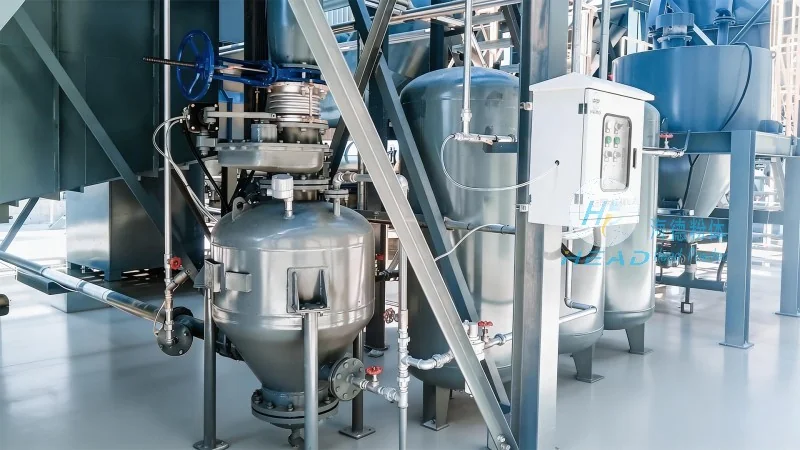
Common Dry Ash Conveying Methods and Their Characteristics
Dry ash, a byproduct of coal combustion, requires safe and effective transportation from the boiler house to storage or disposal sites. Several conventional methods have been widely used in the industry, each with distinct operational principles and performance characteristics. Understanding these methods helps in evaluating their suitability for specific plant requirements.
1. Gravity Flow Conveying
Gravity flow, or gravity chute conveying, relies on the natural downward movement of ash under the influence of gravity. This method typically involves a sloped pipe or chute where ash slides from the source to the destination. While simple in design, gravity flow has significant limitations. It is highly dependent on the vertical drop and horizontal distance, making it unsuitable for long or complex routes. Additionally, it may cause ash accumulation at bends or low points, leading to blockages and maintenance issues. The system also lacks the ability to handle ash with high moisture content or sticky properties, as these can impede smooth flow. Gravity flow is generally limited to short distances and simple layouts, making it less practical for large-scale power plants.
2. Screw Conveyor (Auger Conveyor)
Screw conveyors use a rotating helical screw to move ash through a closed tube. This method is widely used for horizontal or slightly inclined transport of bulk materials, including dry ash. Screw conveyors offer advantages such as compact design and the ability to handle a variety of ash types, including those with some moisture content. However, they have several drawbacks that affect their applicability in dry ash conveying. One major limitation is the risk of ash buildup on the screw and tube walls, which can lead to increased friction and wear. This can reduce the conveyor's efficiency over time and require frequent cleaning or maintenance. Screw conveyors also generate significant heat due to friction, which may affect the quality of the ash if it is sensitive to temperature changes. Moreover, they are not suitable for long horizontal distances or complex routing, as the screw's diameter and speed limit the conveying capacity and distance. These factors make screw conveyors less ideal for large-scale or high-volume ash transport in modern power plants.
3. Belt Conveyor
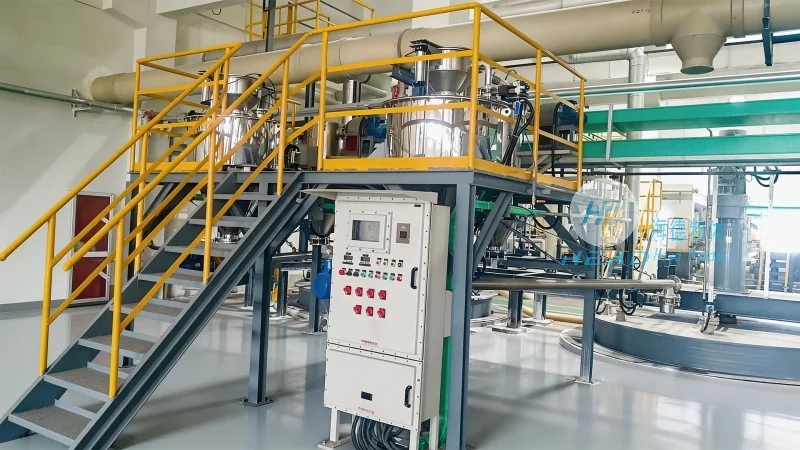
Belt conveyors utilize a continuous belt to transport ash horizontally or at a slight incline. This method is commonly used in bulk material handling for its high capacity and ability to cover long distances. Belt conveyors can handle large volumes of dry ash efficiently and are relatively simple to operate and maintain. However, they have notable disadvantages when applied to dry ash. The primary issue is the risk of ash spillage or leakage from the belt edges, which can lead to environmental contamination and safety hazards. Additionally, belt conveyors require regular tensioning and lubrication to prevent wear and tear, increasing maintenance costs and downtime. The system is also susceptible to damage from ash particles that may be abrasive or have sharp edges, leading to premature belt replacement. Furthermore, belt conveyors are not suitable for vertical transport or complex routing, as the belt's structure and tension limit their flexibility. These limitations make belt conveyors less suitable for the precise and controlled transport of dry ash required in modern power plants.
4. Pneumatic Conveying: The Modern Solution
Pneumatic conveying, or air-based transport, uses compressed air to move dry ash through a pipeline. This method has gained significant popularity in recent years due to its ability to overcome the limitations of traditional systems. Pneumatic conveying offers several advantages that make it an ideal choice for modern power plants. The system can handle long distances and complex routing with minimal infrastructure, as it relies on a network of pipes rather than physical components like chutes or belts. This flexibility allows for the integration of multiple ash sources and destinations within a plant, improving operational efficiency. Pneumatic conveying also provides excellent control over ash flow, ensuring consistent and reliable transport. The system can handle a wide range of ash types, including those with high moisture content or sticky properties, by adjusting the air pressure and flow rate. This adaptability makes it suitable for various plant configurations and operational conditions.
Advantages and Features of HeadPowder's Dry Ash Pneumatic Conveying System
Shandong HeadPowder Engineering Co., Ltd., a leading manufacturer based in China, has developed a state-of-the-art dry ash pneumatic conveying system that addresses the challenges of traditional methods. The system combines advanced technology with robust design to deliver superior performance and reliability. Key advantages and features of HeadPowder's dry ash pneumatic conveying system include:
1. High Efficiency and Capacity
HeadPowder's pneumatic conveying system is engineered to achieve high conveying efficiency and capacity, ensuring that ash is transported quickly and reliably from the boiler house to storage or disposal sites. The system utilizes optimized air flow and pressure control to maintain consistent ash velocity, minimizing the risk of blockages and ensuring smooth operation. This high capacity is particularly beneficial for large-scale power plants that generate significant amounts of dry ash daily. The system's efficiency also reduces operational downtime, as it can handle high volumes without the need for frequent maintenance or adjustments.
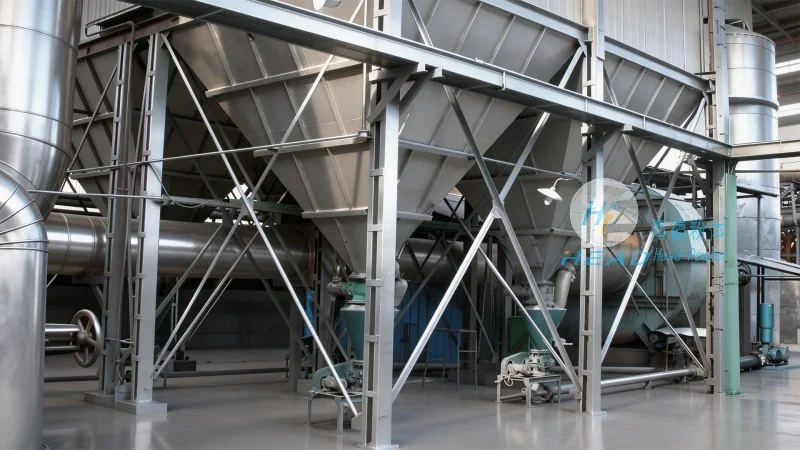
2. Environmental Friendliness and Safety
One of the most significant advantages of HeadPowder's pneumatic conveying system is its environmental friendliness and safety features. The system operates in a closed pipeline, preventing ash from being released into the environment and reducing the risk of dust pollution. This compliance with environmental regulations is crucial for modern power plants, as they are subject to strict emission standards. The closed system also enhances worker safety by eliminating the need for manual handling of ash, reducing the risk of exposure to harmful particles. Additionally, the system's design minimizes noise and vibration, contributing to a safer and more comfortable working environment.
3. Adaptability and Flexibility
HeadPowder's dry ash pneumatic conveying system is highly adaptable to various plant configurations and operational conditions. The system can be customized to handle different ash types, including fly ash and bottom ash, with varying moisture content and particle sizes. This flexibility allows the system to be integrated into existing plant infrastructure without major modifications. The system also supports complex routing, including vertical and horizontal transport, as well as multiple destinations, making it suitable for diverse plant layouts. The adaptability of the system ensures that it can meet the specific requirements of each power plant, providing a tailored solution for efficient ash management.
4. Low Maintenance and Longevity
HeadPowder's pneumatic conveying system is designed for low maintenance and long-term durability, reducing operational costs and downtime. The system uses high-quality materials and components that are resistant to wear and corrosion, ensuring reliable performance over extended periods. The closed pipeline design minimizes the risk of ash buildup and blockages, reducing the need for frequent cleaning or maintenance. Additionally, the system's components are easily accessible for inspection and replacement, simplifying maintenance procedures. This low maintenance requirement makes the system cost-effective and reliable for long-term operation.
5. Energy Efficiency
HeadPowder's dry ash pneumatic conveying system is engineered for energy efficiency, reducing operational costs and environmental impact. The system utilizes optimized air pressure and flow control to minimize energy consumption while maintaining high conveying efficiency. The use of advanced materials and components reduces energy losses, ensuring that the system operates at peak performance with minimal energy input. This energy efficiency is particularly important for power plants, as they aim to reduce overall energy consumption and improve operational economics. The system's design also allows for energy recovery, where excess air is recycled or used for other plant processes, further enhancing its energy efficiency.

 Công ty TNHH Kỹ thuật Công trình Bột Hải Đức Sơn Đông
 156-6277-7102(Quản lý Trương)
  0531-83386006
  Quận Chương Khâu, Thành phố Tế Nam, Tỉnh Sơn Đông, Trung Quốc
Điện thoại
WeChatTư vấn
Lên đầu