Công ty Hải Đức Bột với hơn 10 năm kinh nghiệm vận chuyển khí, cung cấp hệ thống‑thiết bị‑quạt gió và nhận dự án tổng thầu bột cả nước
Efficient and reliable transport of ternary materials, commonly used in battery production and high-tech applications, requires careful consideration of conveying methods. These materials, typically composed of lithium, nickel, and cobalt or similar elements, present unique challenges due to their fine particle size and static electricity properties. Selecting the right system is essential to optimize industrial processes, minimize material degradation, and ensure operational safety. This article explores various conveying techniques for ternary materials, detailing their operational principles, advantages, and practical applications.
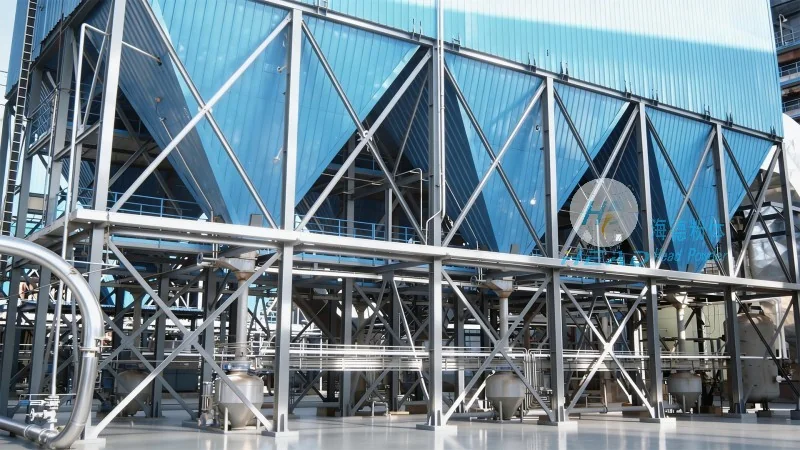
Understanding Ternary Materials and Conveyance Requirements
Ternary materials often exist as powders or granules, which can affect flowability, dust generation, and overall system efficiency. The choice of conveying method must address these challenges while balancing factors like production scale, energy consumption, and environmental impact. Mechanical, pneumatic, gravity, and hybrid systems are the primary options, each with distinct characteristics suited to different industrial needs. The following sections provide an in-depth look at these methods, with a focus on their suitability for handling ternary materials.
1. Mechanical Conveying Systems: Belt and Screw Conveyors
Mechanical conveyors, including belt and screw (auger) systems, are widely used for bulk material transport. Belt conveyors utilize a continuous belt to move materials horizontally or at slight inclines, capable of handling large volumes with minimal maintenance. Screw conveyors, or auger systems, use a rotating screw to push material forward, effective for vertical or inclined transport and accommodating varying moisture levels. Both systems are robust, can integrate with dust collection, and are ideal for stable, free-flowing materials. For companies like Shandong HeadPowder Engineering Co., Ltd., these mechanical solutions offer a reliable foundation for material handling in battery manufacturing and other applications.
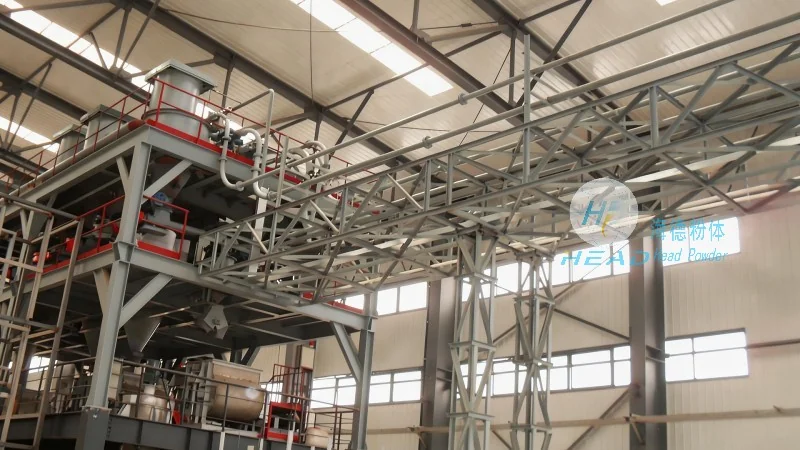
2. Pneumatic Conveying: Air-Driven Transport
Pneumatic conveying systems use compressed air to transport materials through pipelines, providing enclosed, dust-free transport. Two main types exist: dilute phase (low air velocity, cloud-like material flow) and dense phase (high air pressure, slurry-like flow). Dilute phase is suitable for long-distance transport of fine powders, while dense phase handles abrasive or sensitive materials. Pneumatic systems minimize material degradation and exposure, enhancing safety and environmental compliance. However, they require careful design to prevent pressure drops and blockages. Shandong HeadPowder Engineering Co., Ltd. may offer specialized pneumatic solutions tailored to the specific needs of ternary material transport, ensuring efficient and clean handling.
3. Gravity Conveying: Chutes and Hoppers
Gravity conveying relies on natural gravity to move materials from higher to lower levels, using chutes and hoppers. This method is simple, low-cost, and energy-efficient, ideal for short-distance transport of free-flowing materials. The design of chutes must prevent bridging or segregation to maintain uniform flow. Gravity systems are often integrated with dust suppression to ensure safety and compliance. While less common for long distances, they complement other systems in complex production lines. For applications involving ternary materials, gravity conveyors can be optimized with anti-static features and temperature control to preserve material integrity.
4. Hybrid Conveying Systems: Combining Methods
Hybrid systems integrate two or more technologies to leverage the strengths of each. For example, a screw conveyor may feed a pneumatic line for long-distance transport, combining mechanical reliability with pneumatic efficiency. These systems are particularly useful in multi-stage production lines where materials need to transition between processing stages. Shandong HeadPowder Engineering Co., Ltd. specializes in designing hybrid solutions that optimize material flow, reduce downtime, and enhance productivity. By customizing the system to the specific properties of ternary materials, manufacturers can achieve balanced performance and cost-effectiveness.
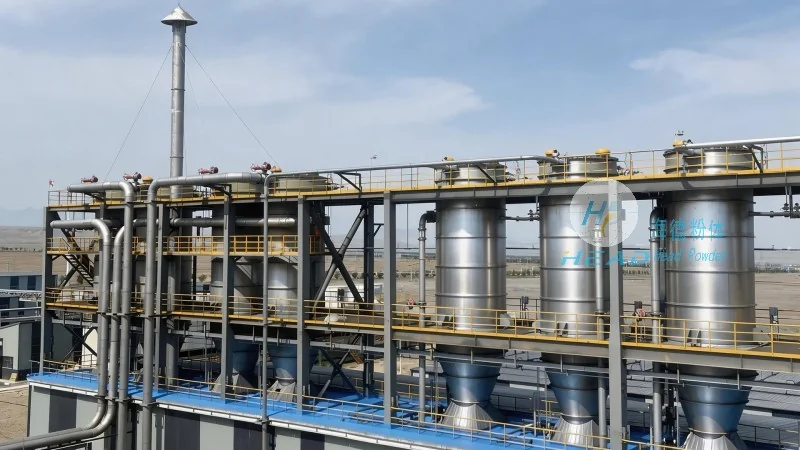
5. Specialized Solutions for Ternary Materials
Due to the unique characteristics of ternary materials, specialized equipment is often required. Anti-static features prevent material buildup and improve safety, while temperature-controlled components maintain material integrity. Dust collection and filtration systems are essential for environmental compliance and worker protection. Companies like Shandong HeadPowder Engineering Co., Ltd. provide tailored solutions addressing these needs, ensuring reliable transport. Investing in specialized conveying equipment reduces material loss, improves product quality, and supports overall operational efficiency.
Conclusion: Selecting the Right Conveyance Method
The choice of conveying method for ternary materials depends on material properties, production scale, and operational environment. Mechanical, pneumatic, gravity, and hybrid systems each offer distinct advantages. Evaluating these factors helps determine the most effective solution. Shandong HeadPowder Engineering Co., Ltd. offers comprehensive expertise in ternary material conveyance, providing customized solutions that meet modern industrial demands. By partnering with HeadPowder, manufacturers can ensure efficient, safe, and cost-effective transport of ternary materials, supporting their business objectives and regulatory compliance.

 Công ty TNHH Kỹ thuật Công trình Bột Hải Đức Sơn Đông
 156-6277-7102(Quản lý Trương)
  0531-83386006
  Quận Chương Khâu, Thành phố Tế Nam, Tỉnh Sơn Đông, Trung Quốc
Điện thoại
WeChatTư vấn
Lên đầu