Công ty Hải Đức Bột với hơn 10 năm kinh nghiệm vận chuyển khí, cung cấp hệ thống‑thiết bị‑quạt gió và nhận dự án tổng thầu bột cả nước
When it comes to transporting industrial alkali, selecting the right method is crucial for efficiency, safety, and cost-effectiveness. Industrial alkali, such as caustic soda or sodium hydroxide, is widely used in various industries including chemical manufacturing, paper production, and water treatment. The choice of transport method directly impacts the overall operational performance and environmental compliance of a facility. This article provides an overview of common industrial alkali transport methods, with a focus on the advantages and features of pneumatic conveying systems.
Overview of Industrial Alkali Transport Methods
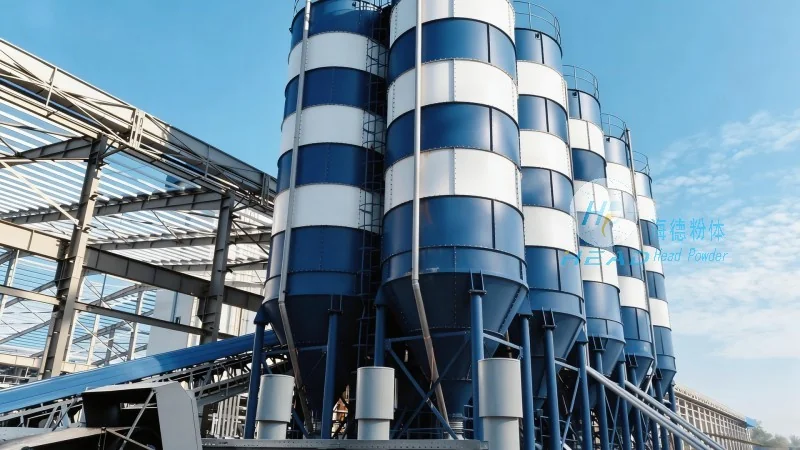
Industrial alkali can be transported using several methods, each with its own set of applications and limitations. Traditional methods include bulk handling via trucks or railcars, which are suitable for large-scale, long-distance transport but may involve higher costs and logistical complexities. For on-site or intra-facility transport, mechanical conveying systems like belt conveyors or screw conveyors are often employed. However, these systems may face challenges with dust control and material handling, especially when dealing with highly caustic substances.
Pneumatic Conveying: A Preferred Solution for Industrial Alkali Transport
Pneumatic conveying has emerged as a leading technology for transporting industrial alkali due to its flexibility, efficiency, and ability to handle hazardous materials safely. Unlike mechanical systems, pneumatic conveying uses air pressure to move material through a pipeline, eliminating the need for direct contact between the material and machinery. This reduces wear and tear on equipment and minimizes the risk of contamination or spillage. The system typically consists of a hopper, a blower or compressor, a pipeline network, and a receiver or discharge point.
Key Advantages of Pneumatic Conveying for Industrial Alkali
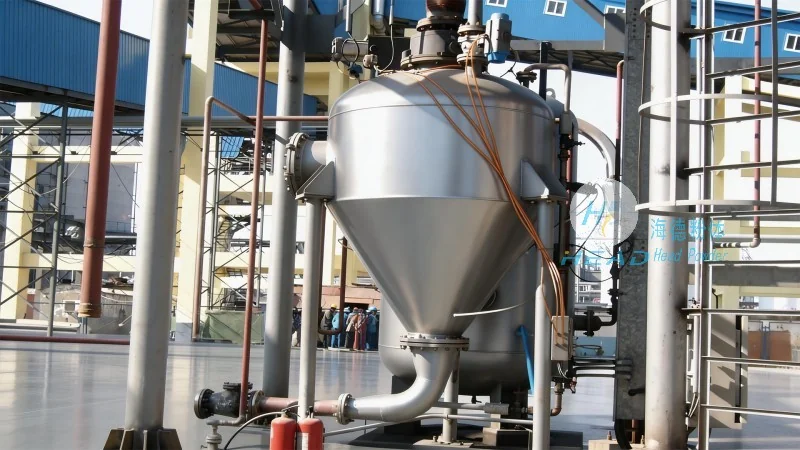
One of the primary advantages of pneumatic conveying is its ability to handle a wide range of particle sizes and moisture content. Industrial alkali often comes in granular or powdered forms, and pneumatic systems can efficiently transport these materials without segregation or degradation. Additionally, the enclosed pipeline system provides excellent dust control, which is critical for maintaining a safe working environment and complying with environmental regulations. This is particularly important when dealing with caustic substances that can cause respiratory issues or skin irritation if inhaled or contacted.
Another significant advantage is the flexibility of pneumatic conveying systems. They can be easily reconfigured to accommodate changes in production processes or facility layouts. The ability to transport materials over long distances or between different parts of a plant without the need for intermediate storage or transfer points enhances operational efficiency. Furthermore, pneumatic systems can handle both dry and wet alkali, making them versatile for various industrial applications.
Features and Technical Specifications
Modern pneumatic conveying systems for industrial alkali often incorporate advanced features to optimize performance. For instance, some systems use positive pressure or negative pressure modes depending on the material characteristics and transport distance. Positive pressure systems are suitable for short to medium distances and can handle abrasive materials, while negative pressure systems are ideal for long-distance transport and require less energy consumption. The selection of the appropriate mode depends on factors such as material density, flow rate, and pipeline length.
Material handling capacity is another critical feature. Pneumatic conveying systems can transport large volumes of industrial alkali at high speeds, reducing downtime and increasing throughput. The system's design, including the size of the hopper, blower capacity, and pipeline diameter, is tailored to meet specific production requirements. For example, a system designed for a chemical plant might handle several tons of caustic soda per hour, ensuring a steady supply to processing units.
Case Study: Application in a Chemical Manufacturing Plant
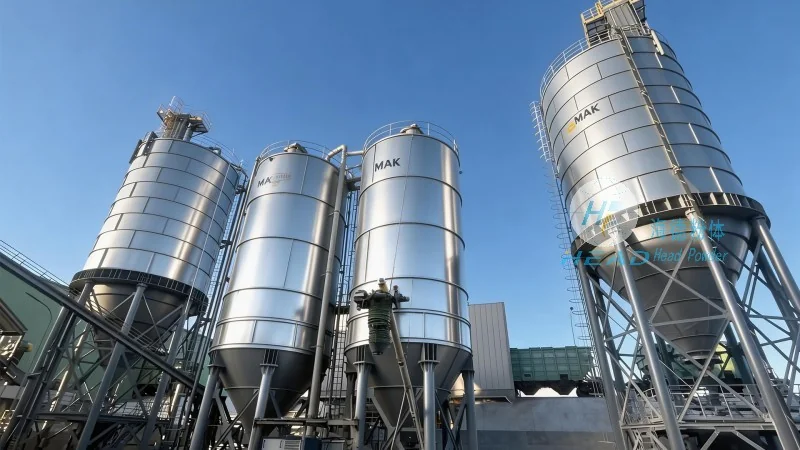
Shandong HeadPowder Engineering Co., Ltd., a leading provider of industrial material handling solutions, has successfully implemented pneumatic conveying systems in various chemical manufacturing plants. In one case, a paper mill in China upgraded its alkali transport system to a pneumatic conveyor, replacing an outdated screw conveyor. The new system significantly reduced dust emissions, improved material flow consistency, and lowered maintenance costs. The plant reported a 20% increase in production efficiency and a 15% reduction in energy consumption after the upgrade.
Another application involved a water treatment facility that needed to transport caustic soda for pH adjustment. The pneumatic conveying system from HeadPowder was designed to handle the corrosive nature of the material and ensure safe handling. The system's enclosed design prevented leaks and spills, protecting both personnel and the environment. The client praised the system's reliability and ease of maintenance, highlighting its contribution to improved operational safety and compliance with environmental standards.
Conclusion and Recommendations
Pneumatic conveying offers a robust and efficient solution for transporting industrial alkali, providing numerous advantages over traditional mechanical systems. Its ability to handle hazardous materials safely, control dust emissions, and adapt to changing production needs makes it an ideal choice for modern industrial facilities. When selecting a pneumatic conveying system, it is essential to consider factors such as material characteristics, transport distance, and facility layout to ensure optimal performance. Shandong HeadPowder Engineering Co., Ltd. specializes in designing and manufacturing customized pneumatic conveying systems tailored to the specific needs of industrial clients, ensuring reliable and cost-effective material transport solutions.

 Công ty TNHH Kỹ thuật Công trình Bột Hải Đức Sơn Đông
 156-6277-7102(Quản lý Trương)
  0531-83386006
  Quận Chương Khâu, Thành phố Tế Nam, Tỉnh Sơn Đông, Trung Quốc
Điện thoại
WeChatTư vấn
Lên đầu