Công ty Hải Đức Bột với hơn 10 năm kinh nghiệm vận chuyển khí, cung cấp hệ thống‑thiết bị‑quạt gió và nhận dự án tổng thầu bột cả nước
When it comes to the efficient handling and transportation of foam plastics, selecting the right method is crucial for maintaining product integrity and operational efficiency. Foam plastics, with their lightweight and often irregular shapes, present unique challenges in material handling. The choice of transport method depends on factors such as the type of foam, production scale, and the distance over which the material needs to be moved. This article explores the primary methods used for transporting foam plastics, providing insights into their applications and benefits.
1. Mechanical Conveying Systems
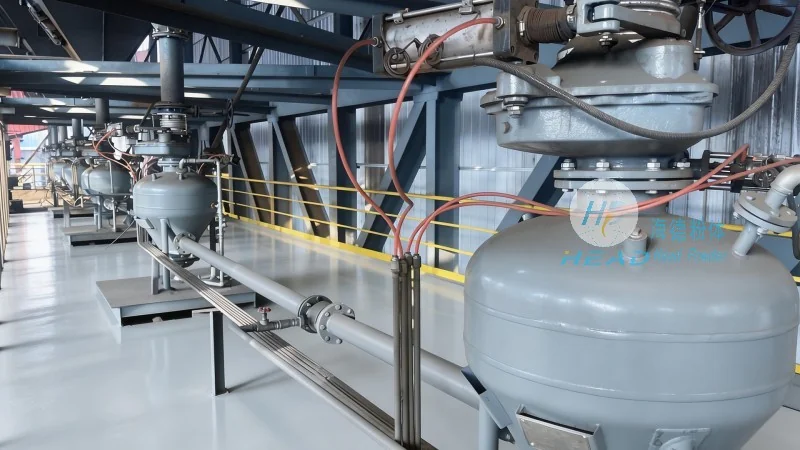
Mechanical conveying systems are among the most common solutions for transporting foam plastics. These systems utilize mechanical components like belts, chains, or rollers to move materials. For instance, conveyor belts are widely used in manufacturing facilities to transport foam sheets or blocks from production lines to storage areas. The design of these systems can be customized to accommodate the specific dimensions and weight of the foam products. Mechanical conveyors are particularly effective for short to medium distances and for materials that are not overly fragile. They offer a reliable and cost-effective solution, especially in high-volume production environments. The company, Shandong HeadPowder Engineering Co., Ltd., specializes in designing and manufacturing such mechanical conveying solutions tailored to the needs of foam processing industries.
2. Pneumatic Conveying Systems
Pneumatic conveying, or air-based transport, is another popular method for moving foam plastics. This technique involves using air pressure to transport the material through a pipeline. The foam is typically broken into smaller pieces or granules before being conveyed, as larger pieces may cause blockages or damage to the system. Pneumatic systems are ideal for transporting materials over longer distances and in environments where dust or debris could be a concern. They are also suitable for materials that are sensitive to mechanical stress, as the air flow minimizes physical contact. The efficiency of pneumatic conveying depends on the air velocity and the design of the pipeline. Companies like HeadPowder provide advanced pneumatic systems that ensure minimal product degradation while maintaining high throughput rates.
3. Gravity Conveying Systems
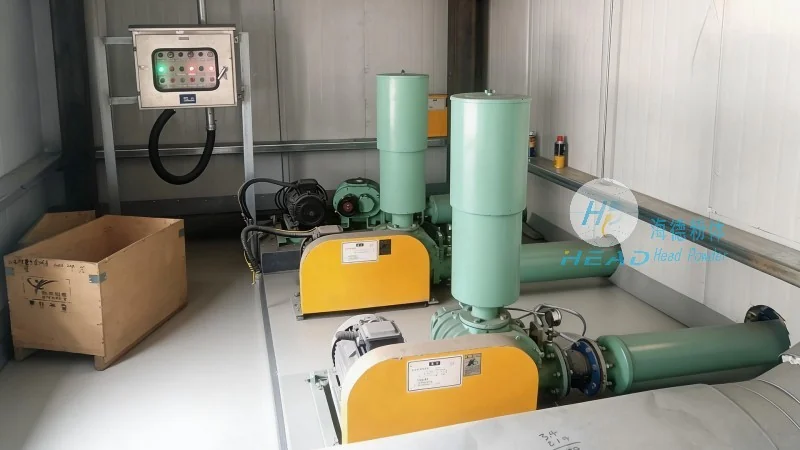
Gravity conveying systems rely on the natural force of gravity to move foam plastics. These systems are typically used for transporting materials over short vertical or horizontal distances where the material can flow under its own weight. Chutes and sloped conveyors are common examples of gravity systems. They are particularly effective for lightweight foam products that are not prone to breakage. The main advantage of gravity conveying is its low energy consumption and simplicity of operation. However, they are limited by the need for a suitable slope and the physical characteristics of the foam. For instance, foam with irregular shapes may not flow smoothly in a gravity system, requiring additional processing steps before transport. HeadPowder Engineering Co., Ltd. offers gravity-based solutions that are integrated with other handling equipment to optimize material flow in production lines.
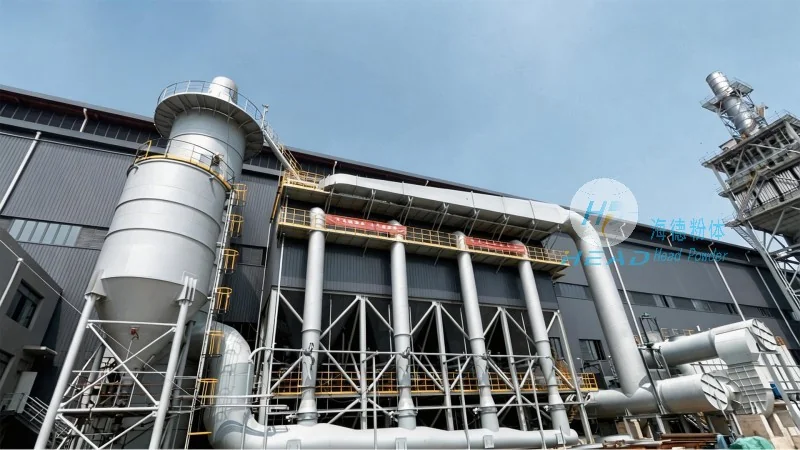
4. Hydraulic Conveying Systems
Hydraulic conveying systems use fluid power to transport foam plastics. This method involves pumping a liquid through a system that carries the material. Hydraulic conveyors are capable of handling a wide range of materials, including those with high moisture content or those that are difficult to move mechanically. They are often used in applications where the foam needs to be mixed or processed while being transported. The primary benefit of hydraulic systems is their ability to handle abrasive or corrosive materials without causing wear and tear. However, they require more maintenance and are generally more expensive than other types of conveying systems. HeadPowder Engineering Co., Ltd. has expertise in designing hydraulic conveying solutions that meet the specific requirements of foam processing plants, ensuring durability and efficiency.
5. Automated Material Handling Equipment
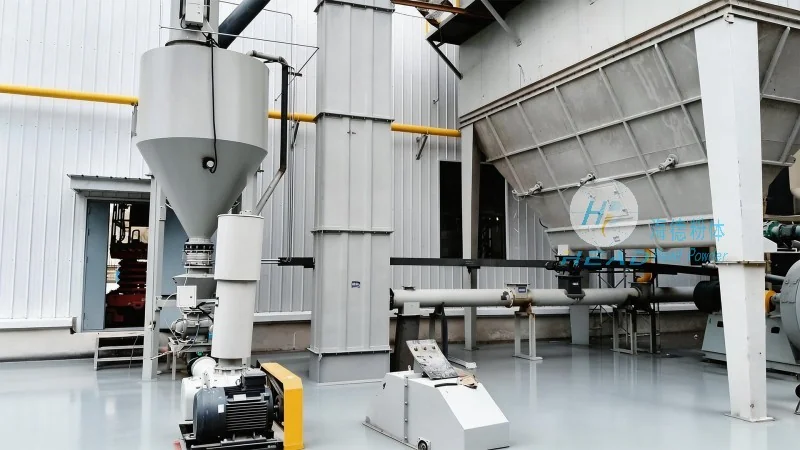
Automated material handling equipment, such as robotic arms and automated guided vehicles (AGVs), has become increasingly popular for transporting foam plastics in modern manufacturing environments. These systems can be programmed to handle materials with precision, reducing the risk of damage or contamination. Robotic arms are particularly useful for handling irregularly shaped foam products, as they can adapt to the shape and weight of each piece. AGVs, on the other hand, are ideal for transporting large volumes of foam over longer distances within a facility. The integration of automation into conveying systems enhances overall operational efficiency and reduces labor costs. HeadPowder Engineering Co., Ltd. provides customized automated solutions that integrate seamlessly with existing production lines, improving workflow and product quality.
6. Considerations for Choosing the Right Transport Method
When selecting a transport method for foam plastics, several factors must be considered to ensure optimal performance. The first is the physical properties of the foam, including its density, shape, and moisture content. For example, lightweight and porous foam may be better suited for pneumatic or gravity systems, while heavier or denser foam may require mechanical or hydraulic systems. The second factor is the distance and layout of the production facility. Short distances may allow for the use of gravity or mechanical conveyors, while longer distances may necessitate pneumatic or automated systems. The third consideration is the scale of production and the required throughput rate. High-volume production may demand more robust and efficient systems, such as large-scale pneumatic or mechanical conveyors. Additionally, the cost of implementation and maintenance should be evaluated, as different systems have varying capital and operational expenses. By carefully evaluating these factors, manufacturers can choose the most suitable transport method for their foam plastic products, ensuring smooth operations and product quality.
Conclusion
Transporting foam plastics efficiently requires a careful assessment of the material's characteristics and the operational needs of the facility. Mechanical, pneumatic, gravity, hydraulic, and automated systems each offer unique advantages and are suitable for different applications. Companies like Shandong HeadPowder Engineering Co., Ltd. specialize in providing tailored conveying solutions that address the specific challenges of foam processing. By selecting the right transport method and leveraging advanced technology, manufacturers can enhance productivity, reduce costs, and maintain the integrity of their foam products. Whether dealing with lightweight foam sheets or dense foam blocks, the right transport system can make a significant difference in the overall success of a foam plastic production operation.

 Công ty TNHH Kỹ thuật Công trình Bột Hải Đức Sơn Đông
 156-6277-7102(Quản lý Trương)
  0531-83386006
  Quận Chương Khâu, Thành phố Tế Nam, Tỉnh Sơn Đông, Trung Quốc
Điện thoại
WeChatTư vấn
Lên đầu