Công ty Hải Đức Bột với hơn 10 năm kinh nghiệm vận chuyển khí, cung cấp hệ thống‑thiết bị‑quạt gió và nhận dự án tổng thầu bột cả nước
When it comes to the efficient and reliable transport of glass fibers, various methods are employed across different industries. Understanding these methods is crucial for optimizing production processes and ensuring the quality of the final products. HeadPowder, a leading manufacturer based in Shandong, China, specializes in providing advanced solutions for glass fiber transportation. This article explores the primary approaches used for glass fiber transportation, highlighting the key considerations and applications.
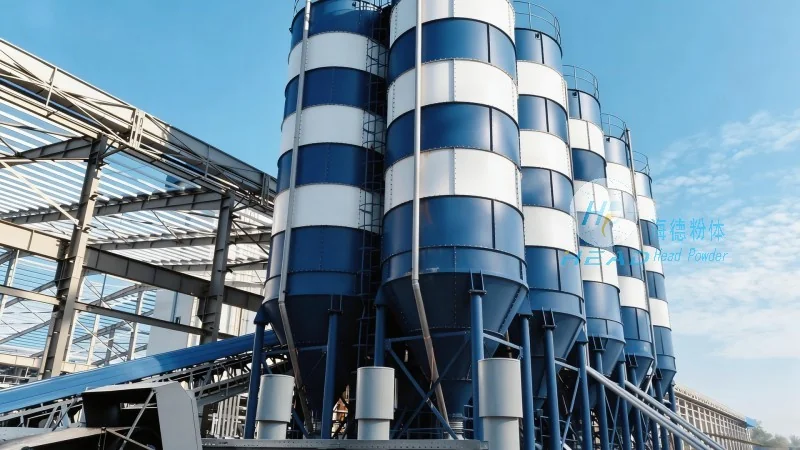
1. Pneumatic Conveying Systems
Pneumatic conveying is a widely used method for transporting glass fibers, especially in applications where dust control and minimal product degradation are essential. This system utilizes air pressure to move the fibers through a pipeline. There are two main types: pressure and vacuum systems. Pressure systems use compressed air to push the material forward, while vacuum systems create a negative pressure to draw the fibers. The choice between these depends on factors such as the distance to be covered, the volume of material, and the need for gentle handling. Pneumatic conveying is particularly effective for fine glass fibers and can be integrated with other processing equipment, making it a versatile solution for glass fiber transport.
2. Mechanical Conveying Equipment
Mechanical conveying methods rely on physical components like belts, screws, and buckets to move glass fibers. Belt conveyors are commonly used for transporting bulk glass fibers over short to medium distances. They are simple in design and can handle a wide range of particle sizes. Screw conveyors, on the other hand, are ideal for vertical or inclined transport, as they can lift and move the material efficiently. These systems are often used in combination with other equipment, such as hoppers and feeders, to ensure a smooth flow of glass fibers. Mechanical conveyors are generally more cost-effective for shorter distances and lower volumes compared to pneumatic systems, making them a practical choice for many glass fiber applications.
3. Hydraulic Conveying
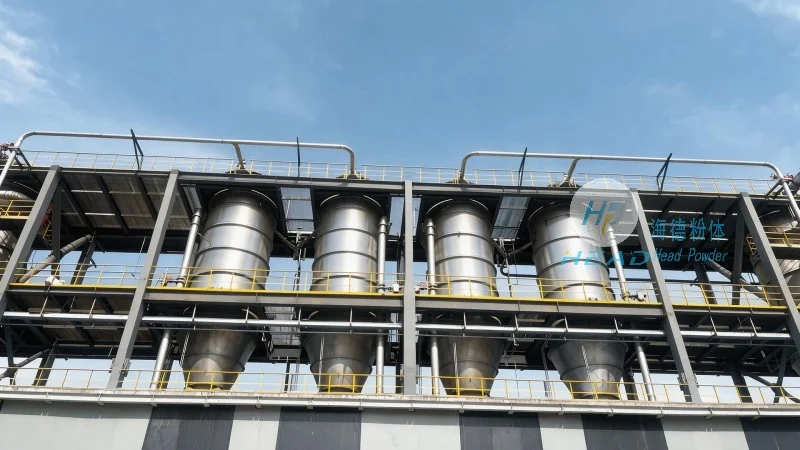
Hydraulic conveying systems use water or other liquids to transport glass fibers. This method is particularly suitable for transporting fine or abrasive materials where air might cause issues. The glass fibers are suspended in the liquid and moved through pipelines under pressure. Hydraulic conveying offers advantages such as the ability to handle high volumes and the reduced risk of dust generation. However, it requires additional equipment for liquid management and may be less efficient for very fine fibers. The system is often used in industries where the glass fibers are part of a slurry or where water-based processing is common.
4. Gravity Conveying
Gravity conveying is a simple and cost-effective method for transporting glass fibers when the material can be moved by gravity alone. This approach involves designing the transport path with appropriate slopes to allow the fibers to slide or roll down. It is commonly used for short distances and when the material is in a bulk form, such as in a hopper or storage silo. Gravity conveyors are ideal for applications where the material is not too fine or abrasive, and where the layout allows for a natural flow. While they are less common for long-distance transport, they are a practical solution for certain scenarios, especially when other methods are not feasible due to cost or space constraints.
5. Combination Systems
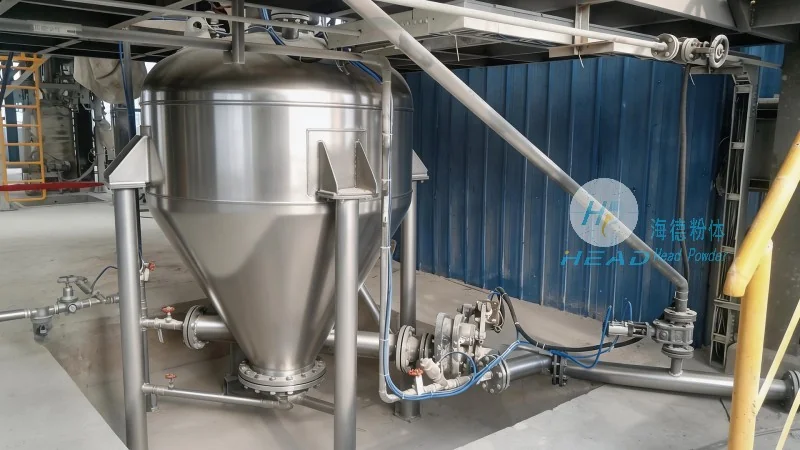
In many industrial settings, a single transport method may not be sufficient to meet all the requirements. Therefore, combination systems are often employed, integrating multiple technologies to achieve optimal performance. For example, a system might use pneumatic conveying for the initial transport from the production line and then switch to a mechanical conveyor for further processing. This approach allows for flexibility and efficiency, as each method is chosen based on the specific needs of the stage in the process. Combination systems are particularly useful in complex manufacturing environments where glass fibers are used in various forms and for different applications.
6. Factors Influencing the Choice of Transport Method
The selection of the appropriate glass fiber transport method depends on several key factors. The first consideration is the physical properties of the glass fibers, including their size, shape, and abrasiveness. Fine or very fine fibers may require more gentle handling, making pneumatic or hydraulic systems preferable. The distance and layout of the transport path also play a significant role, as longer distances may necessitate more powerful systems like pressure pneumatic conveying. The volume of material to be transported and the required speed of delivery are additional factors. For high-volume applications, mechanical or hydraulic systems might be more suitable, while for smaller volumes, pneumatic systems can be more efficient. Finally, cost considerations, including initial investment and operational expenses, must be evaluated to determine the most economical solution.
7. Conclusion
Choosing the right method for glass fiber transportation is essential for maintaining product quality and optimizing production efficiency. Pneumatic, mechanical, hydraulic, gravity, and combination systems each offer unique advantages and are suited to different applications. By carefully evaluating factors such as fiber properties, transport distance, volume, and cost, manufacturers can select the most appropriate method for their specific needs. As technology advances, new and more efficient transport systems may emerge, but the fundamental principles remain focused on ensuring the safe and effective movement of glass fibers from production to final use.

 Công ty TNHH Kỹ thuật Công trình Bột Hải Đức Sơn Đông
 156-6277-7102(Quản lý Trương)
  0531-83386006
  Quận Chương Khâu, Thành phố Tế Nam, Tỉnh Sơn Đông, Trung Quốc
Điện thoại
WeChatTư vấn
Lên đầu