Công ty Hải Đức Bột với hơn 10 năm kinh nghiệm vận chuyển khí, cung cấp hệ thống‑thiết bị‑quạt gió và nhận dự án tổng thầu bột cả nước
Electrode dust removal ash, also known as carbon black or electrode residue, is a byproduct generated during the production of calcium carbide. This fine particulate material poses challenges in handling and transportation due to its high dust content and potential for re-entrainment. Effective conveying systems are crucial for maintaining operational efficiency and environmental compliance in industrial settings. The choice of conveying method significantly impacts process reliability, material loss, and overall system performance. Among various options, pneumatic conveying has emerged as a preferred solution for transporting electrode dust removal ash, offering unique advantages that address the specific challenges associated with this material.
Pneumatic Conveying: A Comprehensive Overview
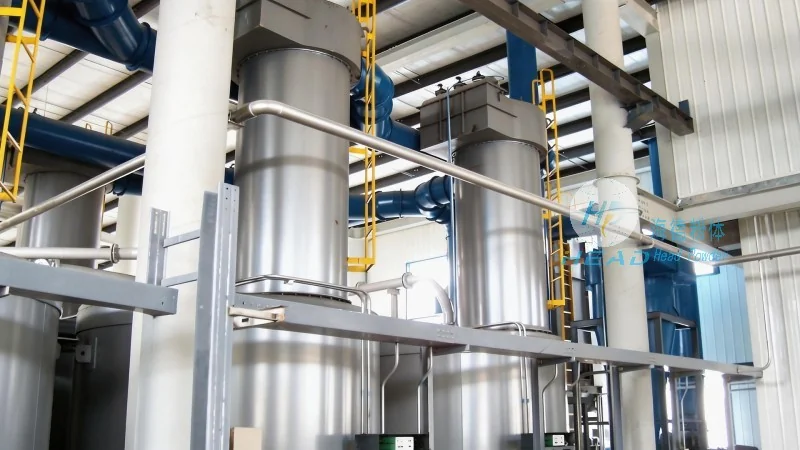
Pneumatic conveying utilizes air or other gases to transport bulk materials through a pipeline system. This method is particularly suitable for fine, dusty materials like electrode dust removal ash, as it minimizes material degradation and reduces the risk of dust explosion. The system typically consists of a blower, a hopper for material storage, a conveying line, and a discharge point. By creating a pressure differential, the air stream pulls or pushes the material through the pipeline, ensuring a continuous and controlled flow. Pneumatic conveying can be categorized into two main types: pressure and vacuum systems, each with distinct applications and performance characteristics.
Advantages of Pneumatic Conveying for Electrode Dust Removal Ash
When considering the transportation of electrode dust removal ash, pneumatic conveying offers several key advantages that make it a superior choice compared to traditional methods such as mechanical or gravity conveyors. First, it provides excellent dust containment, preventing material loss and minimizing environmental impact. The enclosed pipeline system ensures that the fine ash particles are contained within the system, reducing the risk of airborne dust and improving workplace safety. Second, pneumatic conveying allows for high material throughput with minimal maintenance requirements. The absence of moving parts in the conveying line reduces wear and tear, leading to lower operational costs and longer system lifespan. Third, this method offers flexibility in system design, enabling the integration of multiple conveying lines and the ability to transport materials over long distances without significant pressure loss. Additionally, pneumatic conveying systems can be easily automated, integrating with existing industrial control systems to enhance process efficiency and reduce human intervention.
Key Features and Technical Specifications
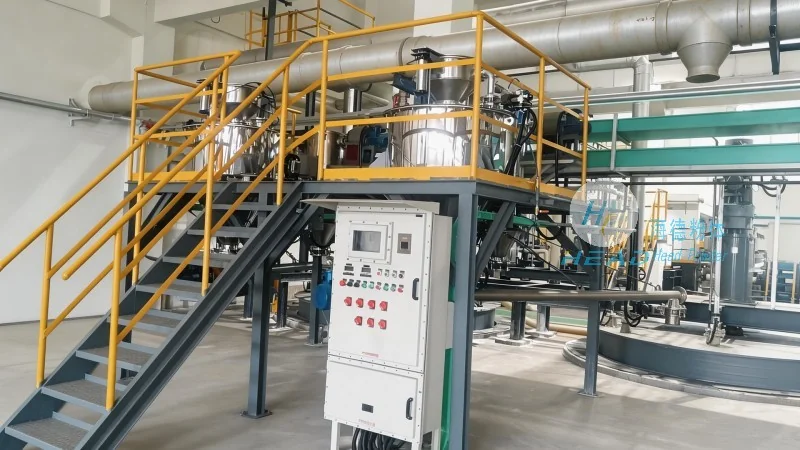
For electrode dust removal ash, the design of a pneumatic conveying system must consider several technical aspects to ensure optimal performance. The material's particle size distribution, moisture content, and density are critical factors that influence system selection. Fine particles (typically less than 100 microns) require higher air velocities to maintain suspension, which may necessitate higher pressure or vacuum levels. Moisture content can affect the material's flowability and the risk of caking, requiring moisture control measures such as drying or pre-treatment. The system's pressure rating and blower capacity must be matched to the material's characteristics and the desired conveying distance. For example, long-distance conveying may require multi-stage systems with intermediate blowers to maintain sufficient pressure. Additionally, the selection of pipeline materials is important, as electrode dust removal ash can be abrasive and corrosive, potentially damaging metal pipes over time. Materials like stainless steel or special coatings are often used to ensure durability and prevent material buildup.
Applications and Case Studies
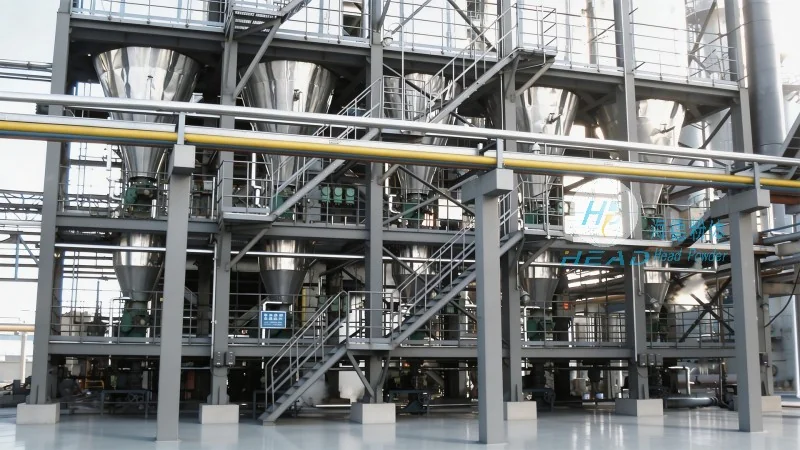
The effectiveness of pneumatic conveying for electrode dust removal ash has been demonstrated in various industrial applications. For instance, in steel manufacturing plants, electrode dust removal ash is commonly collected from dust collectors and transported to storage silos or disposal facilities. The use of pneumatic conveying systems has enabled these plants to achieve higher material recovery rates and reduce operational downtime. In chemical processing facilities, the material is often used as a raw material for other products, requiring precise and consistent conveying to maintain product quality. Case studies have shown that pneumatic conveying systems can achieve material recovery rates of over 95%, with minimal material loss and reduced maintenance costs compared to traditional methods. These success stories highlight the reliability and efficiency of pneumatic conveying for handling electrode dust removal ash in demanding industrial environments.
Conclusion and Recommendations
In conclusion, pneumatic conveying stands out as a highly effective and efficient method for transporting electrode dust removal ash. Its advantages in dust containment, material throughput, and system flexibility make it the preferred choice for many industrial applications. When designing a pneumatic conveying system for electrode dust removal ash, it is essential to consider the material's properties, the conveying distance, and the required performance specifications. Consulting with experienced engineering firms, such as Shandong HeadPowder Engineering Co., Ltd., can provide valuable insights into system design and optimization. By leveraging the benefits of pneumatic conveying, industrial facilities can enhance operational efficiency, reduce environmental impact, and ensure long-term system reliability. The continued development of advanced pneumatic conveying technologies will further improve the handling of electrode dust removal ash, supporting sustainable industrial practices and material recovery efforts.

 Công ty TNHH Kỹ thuật Công trình Bột Hải Đức Sơn Đông
 156-6277-7102(Quản lý Trương)
  0531-83386006
  Quận Chương Khâu, Thành phố Tế Nam, Tỉnh Sơn Đông, Trung Quốc
Điện thoại
WeChatTư vấn
Lên đầu