Công ty Hải Đức Bột với hơn 10 năm kinh nghiệm vận chuyển khí, cung cấp hệ thống‑thiết bị‑quạt gió và nhận dự án tổng thầu bột cả nước
When designing a pneumatic conveying system for monosodium glutamate (MSG) powder, several critical factors must be considered to ensure efficiency, safety, and reliability. The system's design directly impacts the material's flow characteristics, system performance, and overall operational costs. This article outlines key considerations and best practices for developing a well-structured plan for such a system.
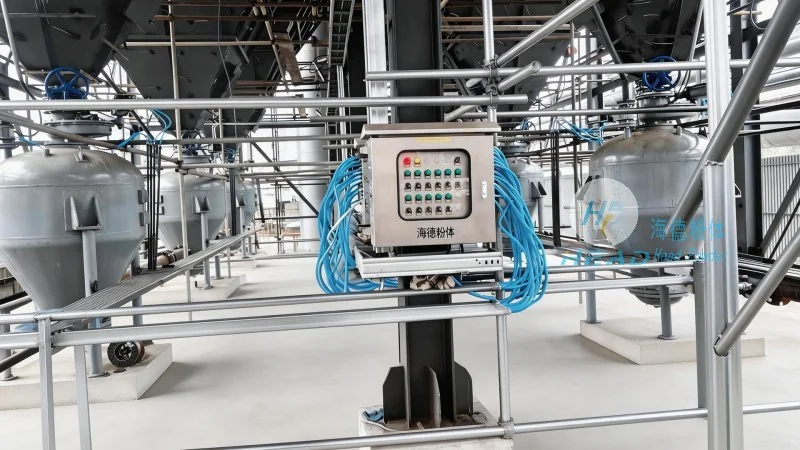
About HeadPowder Engineering
HeadPowder, or Shandong HeadPowder Engineering Co., Ltd., specializes in engineering solutions for powder handling systems. With a focus on industrial applications, the company provides expertise in designing, manufacturing, and implementing pneumatic conveying systems tailored to the unique requirements of the food and chemical industries. HeadPowder's headquarters is located in Shandong, China, where the company leverages local resources and industry knowledge to deliver high-quality solutions.
Key Design Considerations for Pneumatic Conveying Systems
The design of a pneumatic conveying system for monosodium glutamate powder involves evaluating several technical and operational aspects. The first step is to assess the material's properties, such as particle size, moisture content, and bulk density. These characteristics influence the selection of the conveying method—whether it's a dilute-phase or dense-phase system. Dilute-phase systems use high air velocities to transport particles, while dense-phase systems employ lower velocities and higher pressure to move material more gently. For MSG powder, which is typically fine and hygroscopic, a dilute-phase system may be more suitable to prevent clogging and maintain consistent flow rates.
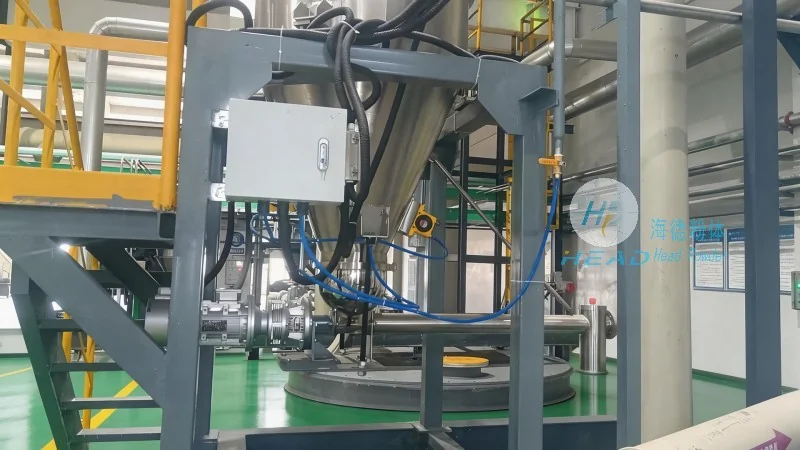
System Components and Their Roles
A pneumatic conveying system consists of several key components, each playing a vital role in the overall operation. The primary components include the material feed hopper, the air supply system (blower or compressor), the conveying line (piping), and the material discharge equipment. The feed hopper must be designed to handle the bulk storage and controlled discharge of the MSG powder, preventing bridging or segregation. The air supply system provides the necessary pressure and airflow to move the material through the pipeline. The conveying line's material and diameter are critical, as they affect friction losses and the risk of particle degradation. For MSG powder, stainless steel or food-grade plastic piping is often recommended to maintain hygiene and prevent contamination. The discharge equipment, such as a rotary valve or venturi, ensures the material is released smoothly and without spillage.
Optimizing System Performance and Efficiency
To ensure the pneumatic conveying system operates efficiently, several optimization strategies should be implemented. One key factor is the air-to-material ratio, which is the ratio of air volume to the material being conveyed. An optimal ratio balances the need for sufficient air to move the material with minimizing energy consumption. For MSG powder, an air-to-material ratio of 10:1 to 20:1 is commonly used, depending on the system's design and the material's properties. Another critical aspect is the system's pressure drop, which indicates the resistance to airflow in the pipeline. Proper sizing of the conveying line and the use of smooth, unobstructed piping can reduce pressure drop and improve overall efficiency. Additionally, regular maintenance of the system components, such as cleaning the filter and checking the blower's performance, is essential to prevent system downtime and maintain consistent operation.
Safety and Maintenance Considerations
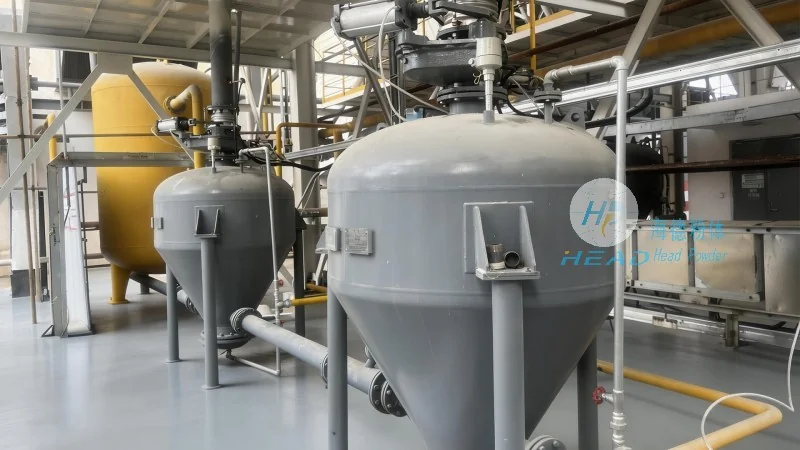
When designing a pneumatic conveying system for monosodium glutamate powder, safety is a top priority. The system must comply with local regulations and industry standards to prevent dust explosions or other hazards. Proper grounding and bonding of the equipment, as well as the use of explosion-proof components, are essential in preventing fire or explosion risks. Additionally, the system should include safety features such as pressure relief valves and emergency shut-off mechanisms. Maintenance is also crucial to ensure the system's longevity and performance. Regular inspections of the feed hopper, conveying line, and discharge equipment can identify potential issues before they become major problems. HeadPowder recommends a preventive maintenance schedule to keep the system running smoothly and reduce the risk of breakdowns.
Conclusion
Designing a reasonable pneumatic conveying system for monosodium glutamate powder requires a comprehensive approach that considers the material's properties, system components, and operational requirements. By following best practices and leveraging the expertise of companies like Shandong HeadPowder Engineering Co., Ltd., industries can achieve efficient, reliable, and safe powder handling solutions. The key to a successful system lies in careful planning, proper component selection, and regular maintenance. With the right design and implementation, a pneumatic conveying system can significantly improve the productivity and safety of monosodium glutamate powder handling operations.

 Công ty TNHH Kỹ thuật Công trình Bột Hải Đức Sơn Đông
 156-6277-7102(Quản lý Trương)
  0531-83386006
  Quận Chương Khâu, Thành phố Tế Nam, Tỉnh Sơn Đông, Trung Quốc
Điện thoại
WeChatTư vấn
Lên đầu