Công ty Hải Đức Bột với hơn 10 năm kinh nghiệm vận chuyển khí, cung cấp hệ thống‑thiết bị‑quạt gió và nhận dự án tổng thầu bột cả nước
When designing a pneumatic conveying system for hydroxide cobalt, it is crucial to consider several key factors to ensure efficiency, reliability, and cost-effectiveness. The system's design must align with the material's properties, such as its density, flowability, and moisture content, as well as the operational requirements of the facility. A well-planned system can significantly improve material handling processes, reduce downtime, and enhance overall productivity.
About HeadPowder Engineering
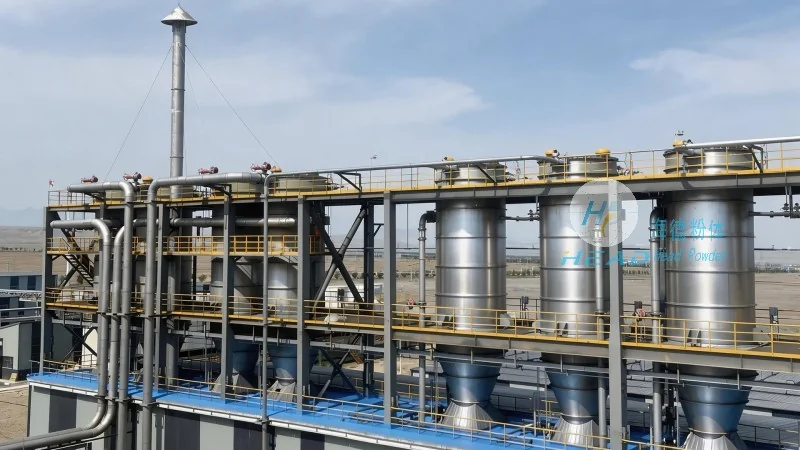
HeadPowder, or Shandong HeadPowder Engineering Co., Ltd., is a leading provider of engineering solutions for material handling systems. With a focus on innovation and customer-centric design, the company specializes in developing customized pneumatic conveying systems tailored to the needs of various industries. HeadPowder's expertise in material science and process engineering enables them to deliver high-quality solutions that meet stringent industry standards. The company is located in Shandong, China, and serves clients globally with its advanced engineering capabilities.
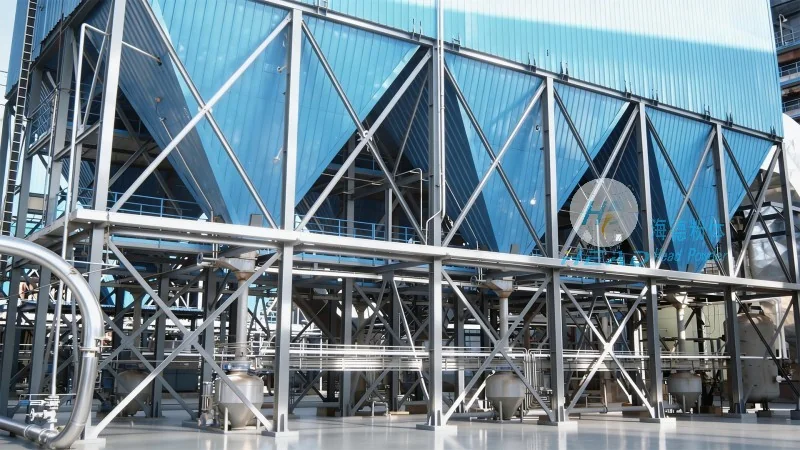
Key Design Considerations for Hydroxide Cobalt Pneumatic Conveying
Several critical aspects must be addressed during the design phase to ensure the system operates optimally. First, the material's physical characteristics, including particle size distribution, bulk density, and cohesive properties, must be thoroughly analyzed. This information is essential for selecting the appropriate conveying method—such as dilute-phase or dense-phase transport—and determining the required air velocity and pressure. Additionally, the system's layout, including the number and placement of feeders, silos, and receivers, must be optimized to minimize pressure losses and prevent material buildup.
System Components and Their Functions
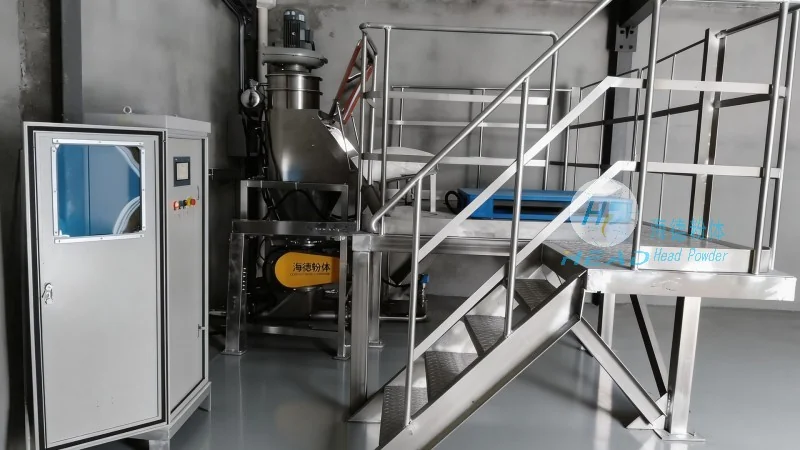
A typical hydroxide cobalt pneumatic conveying system consists of several key components, each playing a vital role in the overall operation. The primary components include a material feeder, which controls the flow rate of the hydroxide cobalt into the system; a silo or hopper for storage; a conveying line (often equipped with bends and elbows to direct the material); a receiver or discharge hopper; and a blower or compressor that provides the necessary air pressure. The feeder is typically a rotary valve or a vibratory feeder, designed to handle the material's flowability and prevent clogging. The silo ensures a consistent supply of material, while the conveying line must be constructed from materials resistant to corrosion and wear, such as stainless steel or special alloys, to withstand the abrasive nature of hydroxide cobalt.
Optimizing System Performance
Optimizing the performance of a hydroxide cobalt pneumatic conveying system involves balancing several factors, including air velocity, pressure, and material flow rate. The air velocity must be high enough to keep the material suspended in the air stream but not so high that it causes excessive pressure drop or material degradation. The pressure drop across the system is a critical parameter, as it directly impacts the energy consumption and the overall efficiency of the system. Engineers must calculate the pressure drop for each component, including the feeder, silo, and conveying line, and adjust the system design accordingly to minimize energy losses. Additionally, regular maintenance and monitoring of the system are essential to ensure long-term reliability and prevent issues such as clogging or equipment failure.
Conclusion
Designing a reasonable hydroxide cobalt pneumatic conveying system requires a comprehensive approach that considers the material's properties, operational requirements, and system components. By carefully analyzing these factors and optimizing the system design, companies can achieve efficient material handling, reduce operational costs, and enhance overall productivity. HeadPowder Engineering, with its expertise in material handling systems, offers tailored solutions that meet the specific needs of clients, ensuring reliable and effective operation of hydroxide cobalt pneumatic conveying systems.

 Công ty TNHH Kỹ thuật Công trình Bột Hải Đức Sơn Đông
 156-6277-7102(Quản lý Trương)
  0531-83386006
  Quận Chương Khâu, Thành phố Tế Nam, Tỉnh Sơn Đông, Trung Quốc
Điện thoại
WeChatTư vấn
Lên đầu