Công ty Hải Đức Bột với hơn 10 năm kinh nghiệm vận chuyển khí, cung cấp hệ thống‑thiết bị‑quạt gió và nhận dự án tổng thầu bột cả nước
When it comes to transporting gypsum sand, selecting the right method is crucial for efficiency and cost-effectiveness. As a leading provider in the industry, Shandong HeadPowder Engineering Co., Ltd. specializes in various conveying solutions tailored to meet diverse industrial needs. This article explores the common methods used for gypsum sand transportation, highlighting their applications and advantages.
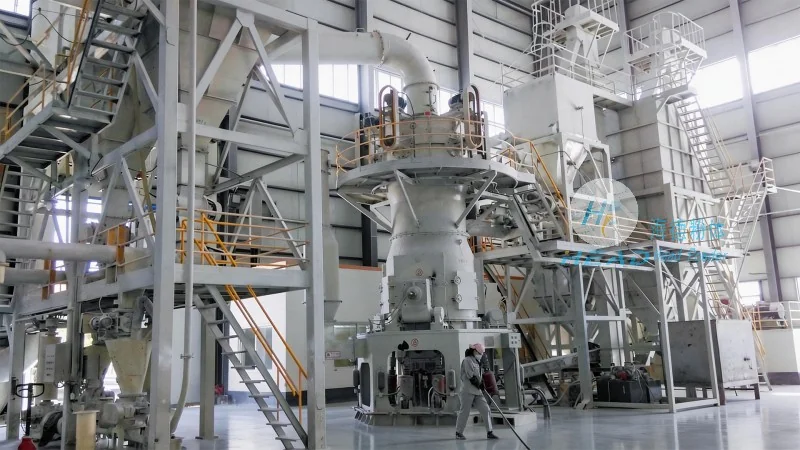
Understanding Gypsum Sand and Conveying Requirements
Gypsum sand, a fine powder derived from natural gypsum, is widely used in construction, agriculture, and industrial applications. Its properties, such as particle size, moisture content, and bulk density, influence the choice of conveying method. Proper handling ensures minimal material loss, prevents dust contamination, and maintains product quality. Shandong HeadPowder Engineering Co., Ltd. emphasizes the importance of matching the conveying system with the specific characteristics of gypsum sand to achieve optimal performance.
Common Methods for Gypsum Sand Conveying
Several methods are commonly employed for gypsum sand transportation, each with its own set of advantages and limitations. The selection depends on factors like material volume, distance, and operational environment. Below are the primary methods used in the industry:
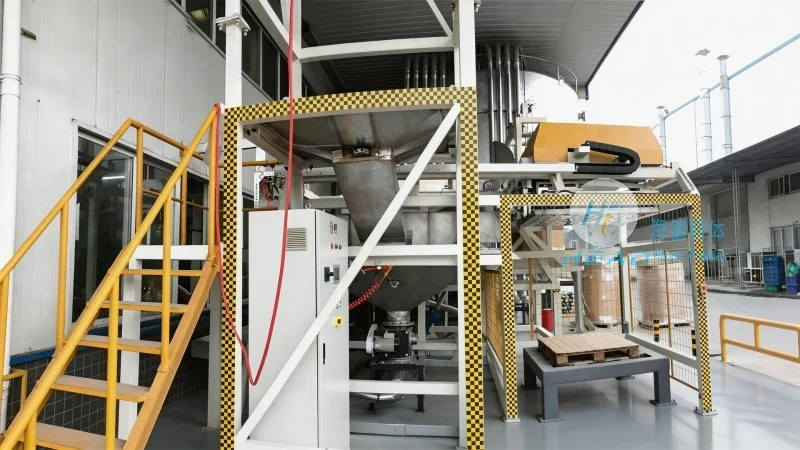
1. Mechanical Conveying Systems
Mechanical conveying systems utilize mechanical components to move gypsum sand. These systems include screw conveyors, belt conveyors, and bucket elevators. Screw conveyors are ideal for horizontal or slight incline transport, as they can handle bulk materials efficiently. Belt conveyors are suitable for longer distances and larger volumes, providing a continuous and reliable flow. Bucket elevators are used for vertical or steep incline transport, capable of moving materials to significant heights. Shandong HeadPowder Engineering Co., Ltd. offers customized mechanical conveying solutions that integrate these components to meet specific operational requirements.
2. Pneumatic Conveying Systems
Pneumatic conveying systems use air or gas to transport gypsum sand through a pipeline. This method is particularly effective for fine powders and can handle long distances with minimal maintenance. There are two main types: positive pressure and negative pressure systems. Positive pressure systems blow air into the pipeline, pushing the material forward, while negative pressure systems create a vacuum to draw the material. Pneumatic conveying is advantageous for applications requiring dust-free transport and can be integrated with other processing equipment. Shandong HeadPowder Engineering Co., Ltd. specializes in designing and manufacturing pneumatic conveying systems that ensure efficient and clean gypsum sand transport.
3. Hydraulic Conveying Systems
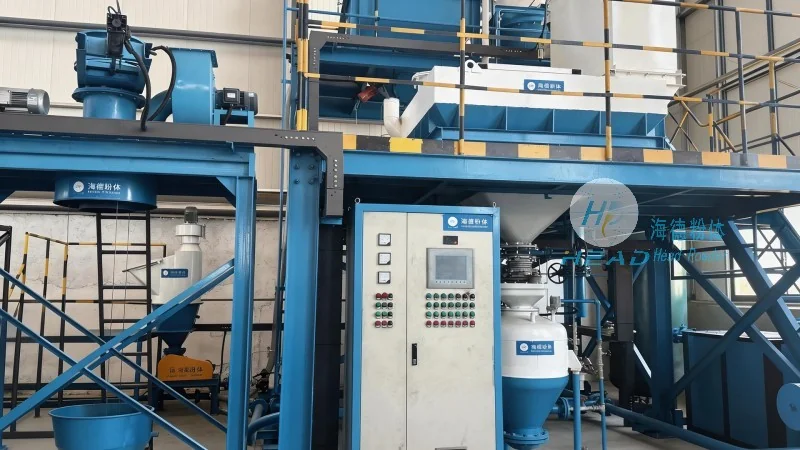
Hydraulic conveying systems utilize water or other liquids to transport gypsum sand. This method is commonly used in mining and construction industries where large volumes of material need to be moved over long distances. The material is suspended in the liquid and transported through pipelines. Hydraulic systems are effective for handling abrasive materials and can operate in harsh environments. However, they require additional equipment for liquid management and may have higher operational costs. Shandong HeadPowder Engineering Co., Ltd. provides hydraulic conveying solutions tailored to the specific needs of clients, ensuring reliable and efficient gypsum sand transportation.
4. Air-Liquid Conveying Systems
Air-liquid conveying systems combine the principles of pneumatic and hydraulic conveying. They use a mixture of air and liquid to transport gypsum sand, offering flexibility in handling different material types and distances. This method is particularly useful for transporting fine powders over long distances with reduced energy consumption. Air-liquid systems are designed to minimize material degradation and maintain product quality. Shandong HeadPowder Engineering Co., Ltd. develops advanced air-liquid conveying solutions that enhance the efficiency and reliability of gypsum sand transport.
Key Considerations for Choosing a Conveying Method
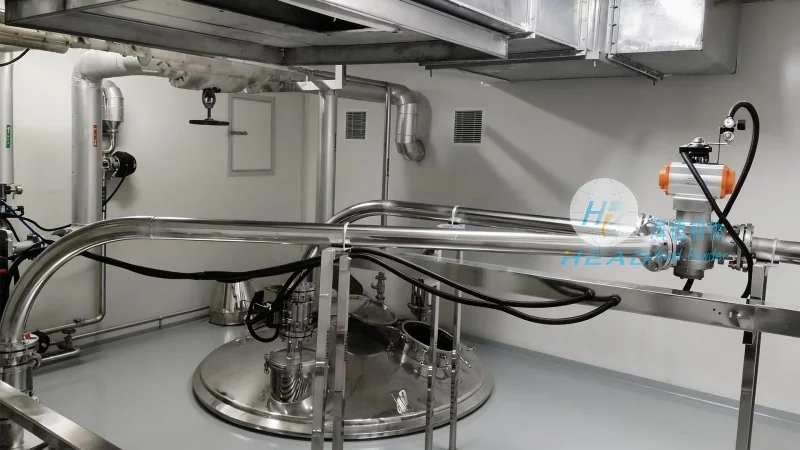
When selecting a conveying method for gypsum sand, several factors must be considered to ensure optimal performance and cost-effectiveness. These include the material's physical properties, the distance and elevation changes, the required flow rate, and the operational environment. Shandong HeadPowder Engineering Co., Ltd. conducts thorough assessments to evaluate these factors and recommend the most suitable conveying system. The company's expertise in designing customized solutions ensures that clients receive systems that meet their specific needs and operational goals.
Conclusion
Gypsum sand is a versatile material with diverse applications, and efficient transportation is essential for its widespread use. Shandong HeadPowder Engineering Co., Ltd. offers a range of conveying methods tailored to the unique requirements of each project. By leveraging their expertise in mechanical, pneumatic, hydraulic, and air-liquid systems, the company ensures reliable and cost-effective gypsum sand transport. Whether for construction, agricultural, or industrial applications, Shandong HeadPowder Engineering Co., Ltd. provides solutions that enhance operational efficiency and maintain product quality. With a commitment to innovation and customer satisfaction, the company continues to be a leader in gypsum sand conveying solutions.

 Công ty TNHH Kỹ thuật Công trình Bột Hải Đức Sơn Đông
 156-6277-7102(Quản lý Trương)
  0531-83386006
  Quận Chương Khâu, Thành phố Tế Nam, Tỉnh Sơn Đông, Trung Quốc
Điện thoại
WeChatTư vấn
Lên đầu