Công ty Hải Đức Bột với hơn 10 năm kinh nghiệm vận chuyển khí, cung cấp hệ thống‑thiết bị‑quạt gió và nhận dự án tổng thầu bột cả nước
When it comes to transporting PVC pellets efficiently and safely, selecting the right conveying method is crucial for industrial operations. Among the various options available, pneumatic conveying stands out as a preferred solution for many manufacturers due to its versatility and effectiveness. This article explores the different PVC pellet conveying methods and highlights the key advantages and features of pneumatic conveying, with a focus on the expertise of Shandong HeadPowder Engineering Co., Ltd., a leading provider in the field.
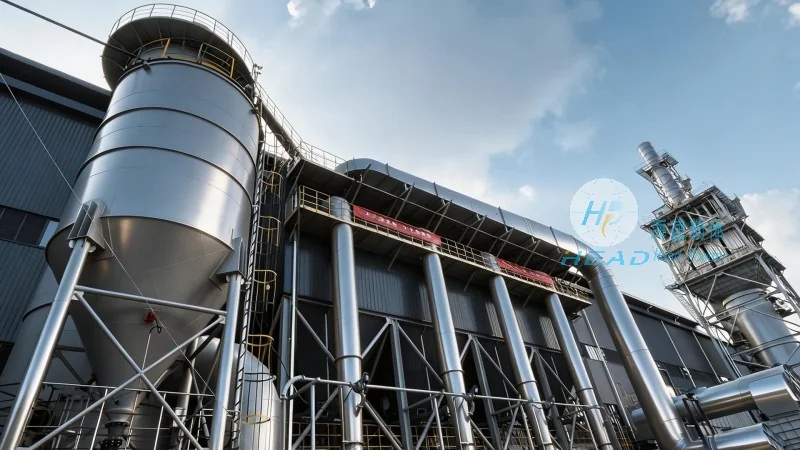
Understanding PVC Pellet Conveying Methods
PVC pellets are widely used in the production of various plastic products, and their transportation from one point to another requires reliable systems that can handle the material's properties. Traditional methods such as belt conveyors or screw conveyors may face challenges when dealing with PVC pellets, especially when dealing with dust, moisture, or the need for enclosed transport. Pneumatic conveying, on the other hand, offers a solution that addresses these challenges by using air pressure to move the pellets through a pipeline system.
Pneumatic Conveying: How It Works
Pneumatic conveying systems operate by generating a flow of air within a pipeline, which then transports the PVC pellets. There are two main types of pneumatic conveying: pressure and vacuum systems. Pressure systems use compressed air to push the material forward, while vacuum systems use suction to draw the pellets into the pipeline. Both methods are effective for PVC pellet transport, but the choice between them depends on factors such as the distance to be covered, the volume of material, and the layout of the production facility.
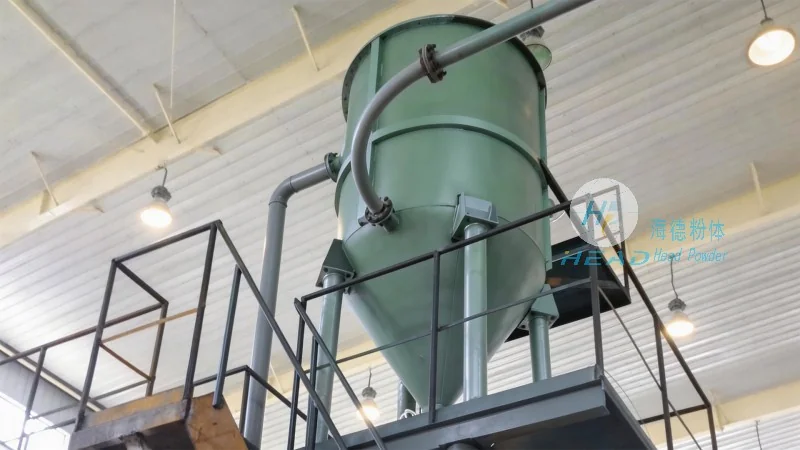
Advantages of Pneumatic Conveying for PVC Pellets
Shandong HeadPowder Engineering Co., Ltd. specializes in designing and manufacturing high-quality pneumatic conveying systems tailored to the specific needs of PVC pellet processing. The advantages of using pneumatic conveying for PVC pellets include:
Efficient and Continuous Transport: Pneumatic systems can transport PVC pellets continuously, ensuring a steady flow of material without interruptions. This is particularly beneficial in high-volume production environments where consistent material supply is essential.
Reduced Downtime and Maintenance: Unlike mechanical conveyors that may require frequent maintenance and cleaning, pneumatic systems are less prone to blockages and wear, leading to lower downtime and operational costs.
Enclosed and Clean Transport: Pneumatic conveying provides an enclosed environment that prevents dust and debris from escaping into the workplace. This not only improves safety but also maintains the quality of the PVC pellets by keeping them free from contamination.
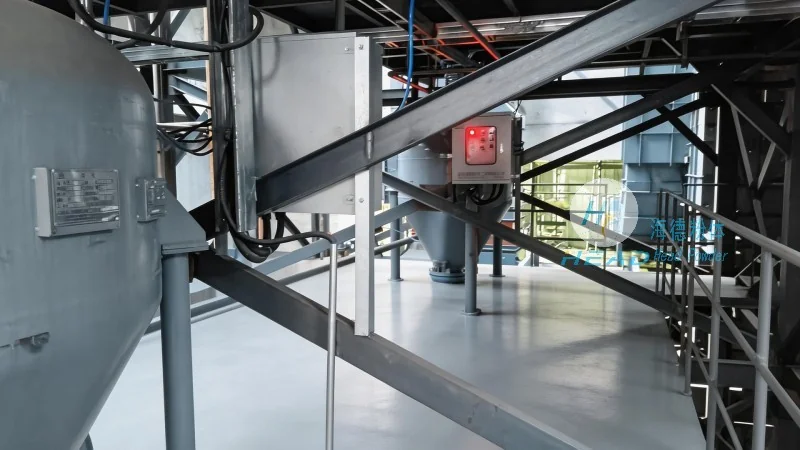
Flexibility in Layout: Pneumatic systems can be easily integrated into existing production layouts, allowing for changes in the conveying path without major structural modifications.
Key Features of Pneumatic Conveying Systems by HeadPowder
HeadPowder Engineering Co., Ltd. offers a range of pneumatic conveying solutions that are specifically designed for PVC pellet applications. These systems are characterized by several key features that enhance performance and reliability:
Customizable Design: Each pneumatic conveying system is tailored to the customer's requirements, including the type of PVC pellets, the distance of transport, and the desired flow rate. This ensures optimal performance and efficiency.
Advanced Control Systems: Modern pneumatic conveying systems are equipped with advanced control technology that allows for precise regulation of air pressure, flow rate, and material transport. This helps in maintaining consistent product quality and reducing waste.
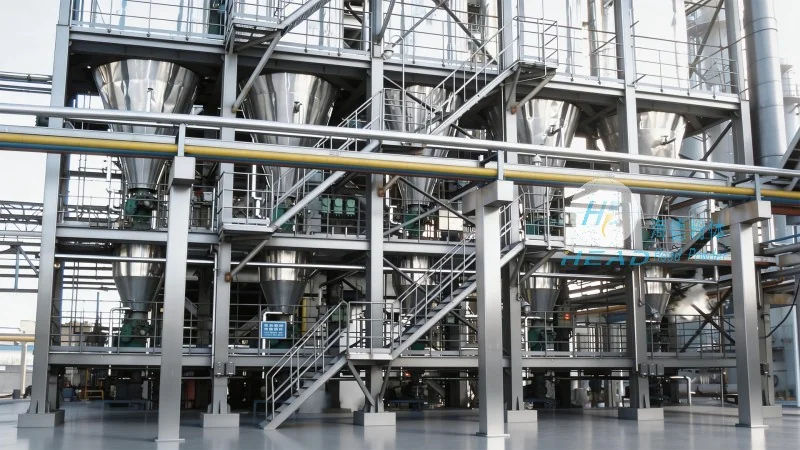
Energy Efficiency: By optimizing the air flow and pressure, HeadPowder's systems are designed to minimize energy consumption while maximizing conveying efficiency. This contributes to lower operational costs and a more sustainable operation.
Robust Construction: The components used in HeadPowder's pneumatic conveying systems are made from high-quality materials that are resistant to corrosion and wear, ensuring long-term durability and reliability.
Conclusion
Pneumatic conveying is a superior method for transporting PVC pellets, offering numerous advantages over traditional mechanical systems. With its ability to provide efficient, clean, and flexible transport, it is an ideal solution for modern industrial applications. Shandong HeadPowder Engineering Co., Ltd. is committed to providing innovative and reliable pneumatic conveying solutions that meet the evolving needs of the PVC industry, ensuring that manufacturers can achieve optimal performance and productivity in their operations.

 Công ty TNHH Kỹ thuật Công trình Bột Hải Đức Sơn Đông
 156-6277-7102(Quản lý Trương)
  0531-83386006
  Quận Chương Khâu, Thành phố Tế Nam, Tỉnh Sơn Đông, Trung Quốc
Điện thoại
WeChatTư vấn
Lên đầu