Công ty Hải Đức Bột với hơn 10 năm kinh nghiệm vận chuyển khí, cung cấp hệ thống‑thiết bị‑quạt gió và nhận dự án tổng thầu bột cả nước
When it comes to designing an efficient and reliable pneumatic conveying system for boron nitride, a thorough understanding of the material's properties and the system's operational requirements is essential. The process involves careful consideration of various factors to ensure optimal performance, minimize operational costs, and maintain product integrity throughout the conveying process.
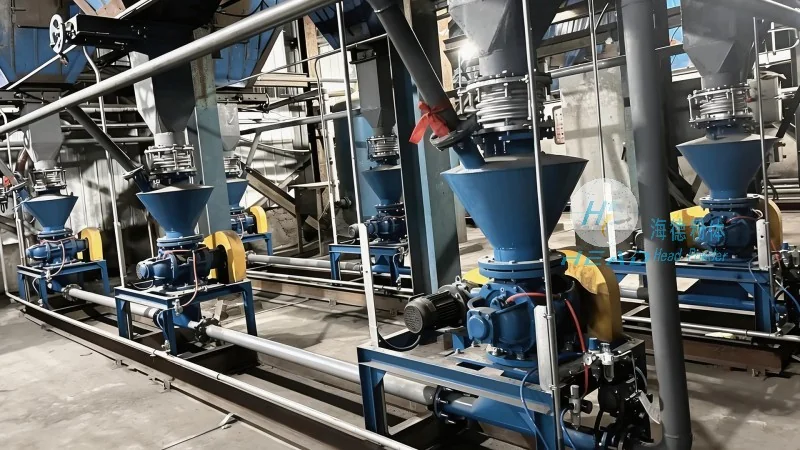
Key Design Considerations for Boron Nitride Pneumatic Conveying
HeadPowder, a leading engineering company based in Shandong, China, emphasizes the importance of a systematic approach to system design. The first step is to assess the specific characteristics of boron nitride, such as its particle size distribution, density, and flowability. These properties directly influence the choice of conveying method—whether it's a dilute-phase or dense-phase system—and the required air velocity and pressure.
System Selection and Component Integration
For boron nitride, a dilute-phase pneumatic conveying system is often preferred due to its ability to handle fine powders with minimal pressure drop. The system typically includes a blower or compressor, a hopper for material storage, a feed device (like a rotary valve), and a pipeline network. The selection of each component must align with the material's behavior and the desired conveying distance and throughput. For instance, the blower's capacity must be sufficient to maintain the required air velocity while preventing excessive pressure loss in the pipeline.
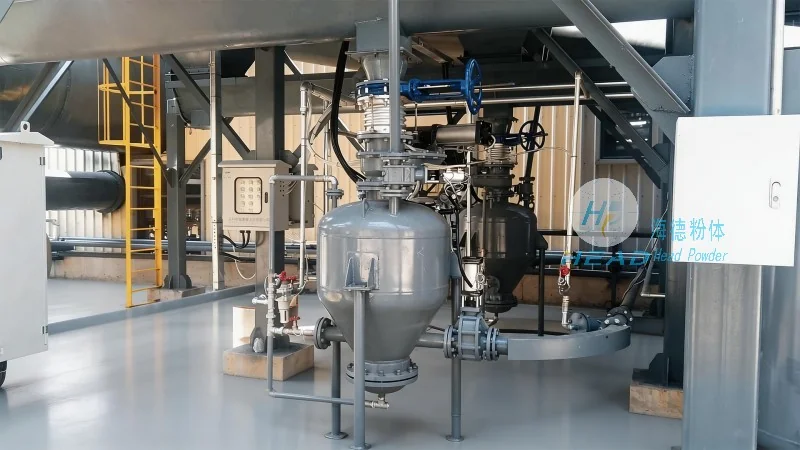
Pipeline Design and Material Handling
The design of the pipeline is critical to the system's efficiency. HeadPowder recommends using smooth, corrosion-resistant materials like stainless steel or PTFE-lined pipes to minimize friction and prevent material buildup. The pipeline layout should be optimized to avoid sharp bends and vertical drops, which can cause particle degradation or blockages. Additionally, the inclusion of expansion joints and surge tanks can help manage pressure fluctuations and prevent system failures.
Pressure Control and Safety Measures
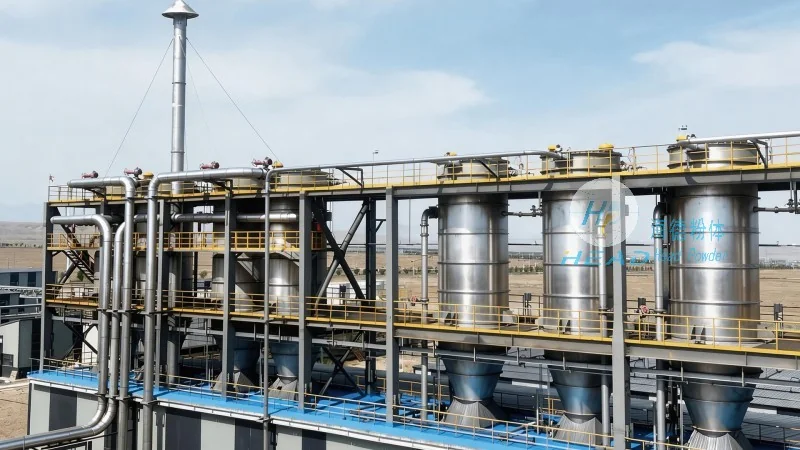
Effective pressure control is essential to maintain consistent conveying performance and protect equipment from damage. The system should include pressure sensors and control valves to regulate air flow and pressure levels. Safety measures, such as dust collection systems and explosion-proof components, are also crucial when handling fine powders like boron nitride. These measures ensure compliance with industrial safety standards and protect personnel and equipment from potential hazards.
Optimization and Maintenance
After the initial design and installation, ongoing optimization and regular maintenance are vital to sustain system performance. HeadPowder advises monitoring key parameters like air flow, pressure, and material flow rate to identify any deviations from the design specifications. Regular cleaning of the pipeline and components, as well as replacement of worn parts, can prevent system inefficiencies and extend the equipment's lifespan. By adhering to these design principles and maintenance practices, businesses can achieve a reliable and cost-effective pneumatic conveying system for boron nitride, ensuring smooth operations and product quality.

 Công ty TNHH Kỹ thuật Công trình Bột Hải Đức Sơn Đông
 156-6277-7102(Quản lý Trương)
  0531-83386006
  Quận Chương Khâu, Thành phố Tế Nam, Tỉnh Sơn Đông, Trung Quốc
Điện thoại
WeChatTư vấn
Lên đầu