Công ty Hải Đức Bột với hơn 10 năm kinh nghiệm vận chuyển khí, cung cấp hệ thống‑thiết bị‑quạt gió và nhận dự án tổng thầu bột cả nước
Designing a well-structured bentonite pneumatic conveying system is crucial for ensuring efficient material handling, especially when dealing with fine powders like bentonite. A properly designed system minimizes operational issues, reduces maintenance costs, and enhances overall productivity in industrial applications.
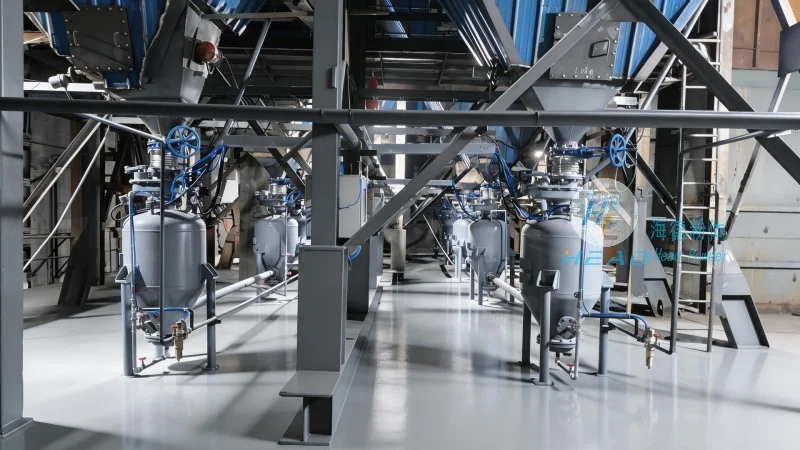
Understanding the Core Principles of Bentonite Pneumatic Conveying
Before diving into system design, it's essential to grasp the fundamental principles that govern pneumatic conveying. Bentonite, a natural clay mineral, has unique properties such as high moisture content, variable particle size, and cohesive behavior. These characteristics influence the selection of conveying methods, pressure levels, and equipment configurations. The primary goal is to create a system that can handle the material's flow characteristics while maintaining system efficiency and reliability.
Key Factors to Consider in System Design
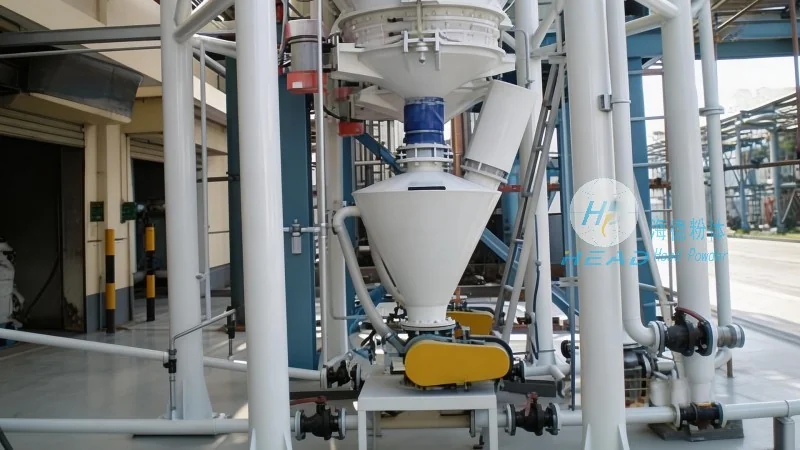
Several critical factors must be evaluated when designing a bentonite pneumatic conveying system. The first is the material's physical properties, including bulk density, moisture content, and particle size distribution. These parameters determine the required air velocity and pressure to achieve stable flow. The second factor is the system's layout, including the distance between the feed point and the discharge point, as well as any obstacles or changes in elevation. The third is the desired conveying capacity, which dictates the size of the air compressor, pipeline diameter, and other components. Additionally, the system's operating environment, such as temperature and ambient conditions, must be considered to ensure the equipment can withstand the conditions without degradation.
Components of a Typical Bentonite Pneumatic Conveying System
A bentonite pneumatic conveying system typically consists of several key components that work in tandem to achieve efficient material transport. The first component is the material feeder, which is responsible for feeding the bentonite into the system at a controlled rate. Common feeder types include rotary valves, screw feeders, and vibratory feeders, each suited for different material characteristics and flow rates. The second component is the air compressor, which provides the necessary pressure and volume of air to move the material through the pipeline. The choice of compressor (positive displacement or centrifugal) depends on the system's pressure requirements and capacity. The third component is the pipeline system, which includes the main conveying line and any branch lines or bends. The pipeline material, typically stainless steel or PVC, must be selected based on the material's corrosiveness and abrasiveness. The fourth component is the separation and discharge equipment, which includes cyclones, filters, and silos. These components are crucial for separating the air from the material and storing the material for subsequent use. Finally, the system may include a control panel that monitors and regulates the flow of material and air, ensuring the system operates within safe and efficient parameters.
Step-by-Step Design Process for Bentonite Pneumatic Conveying
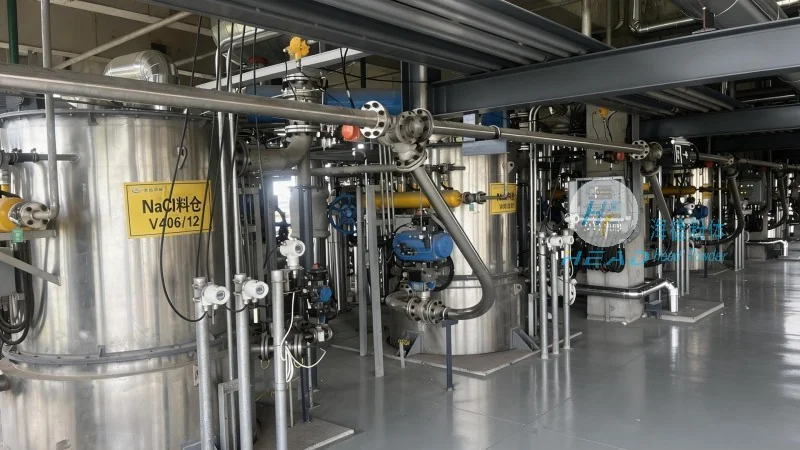
The design process for a bentonite pneumatic conveying system involves several systematic steps to ensure a robust and effective solution. The first step is to conduct a thorough material analysis to determine the physical properties of the bentonite. This analysis includes measuring bulk density, moisture content, particle size distribution, and cohesive behavior. The second step is to define the system's operational requirements, including the desired conveying capacity, distance, and operating pressure. The third step is to select the appropriate conveying method based on the material properties and system requirements. Common methods include dilute-phase and dense-phase conveying, each with its own advantages and limitations. The fourth step is to calculate the required air velocity and pressure using established formulas and guidelines. These calculations consider the material's flow characteristics, pipeline diameter, and system layout. The fifth step is to select the appropriate equipment based on the calculated parameters, including the feeder, compressor, and separation equipment. The sixth step is to simulate the system's performance using software tools to verify that the design meets the operational requirements. Finally, the design is finalized and documented, including all specifications, calculations, and safety considerations.
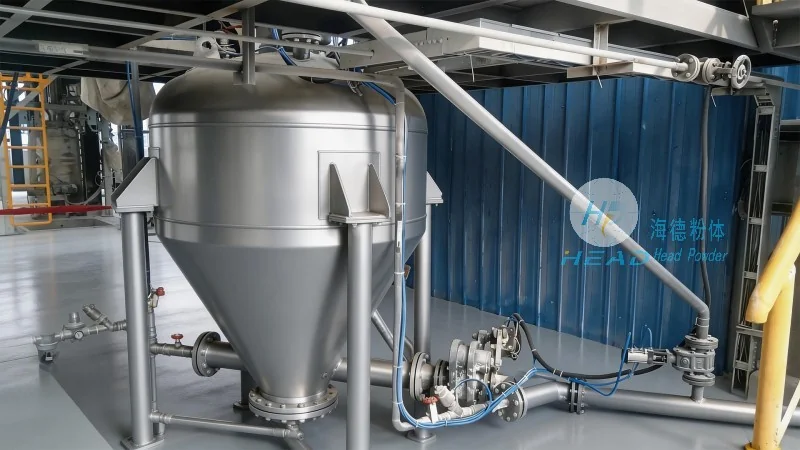
Benefits of a Well-Designed Bentonite Pneumatic Conveying System
A well-designed bentonite pneumatic conveying system offers several benefits that enhance industrial operations. First, it improves material handling efficiency by reducing the time and labor required to transport bentonite from one location to another. This leads to increased productivity and reduced downtime. Second, it minimizes material loss and contamination by using enclosed systems that prevent dust and moisture from escaping. This is particularly important for bentonite, which can be a source of dust and environmental concerns. Third, it reduces maintenance costs by using high-quality equipment and proper system design. The system's components are designed to withstand the material's abrasive and corrosive properties, reducing the need for frequent repairs. Fourth, it enhances safety by eliminating manual handling of the material, which can be hazardous due to its fine particle size and potential for dust explosions. Finally, it provides flexibility in system layout, allowing for easy expansion or modification as operational needs change.
About Shandong HeadPowder Engineering Co., Ltd.
Shandong HeadPowder Engineering Co., Ltd., commonly known as HeadPowder, is a leading provider of engineering solutions for material handling systems, including bentonite pneumatic conveying systems. With years of experience in the industry, HeadPowder specializes in designing, manufacturing, and installing customized systems tailored to the unique needs of its clients. The company's team of engineers and technicians is dedicated to providing high-quality, reliable solutions that meet the highest standards of performance and safety. HeadPowder's commitment to innovation and customer satisfaction has made it a trusted partner for businesses in various industries, including mining, construction, and chemical manufacturing. The company's headquarters is located in Shandong, China, where it operates a state-of-the-art facility for research, development, and production. HeadPowder's products and services are designed to help clients optimize their material handling processes, reduce costs, and improve overall operational efficiency.

 Công ty TNHH Kỹ thuật Công trình Bột Hải Đức Sơn Đông
 156-6277-7102(Quản lý Trương)
  0531-83386006
  Quận Chương Khâu, Thành phố Tế Nam, Tỉnh Sơn Đông, Trung Quốc
Điện thoại
WeChatTư vấn
Lên đầu