Công ty Hải Đức Bột với hơn 10 năm kinh nghiệm vận chuyển khí, cung cấp hệ thống‑thiết bị‑quạt gió và nhận dự án tổng thầu bột cả nước
When it comes to the efficient and reliable transport of dyes, selecting the right method is crucial for maintaining product quality and operational efficiency. As a leading provider in the industry, Shandong HeadPowder Engineering Co., Ltd. offers insights into various dye transport solutions, ensuring clients can choose the most suitable approach for their specific needs. This article explores the key methods used for dye transport, highlighting their applications and benefits.
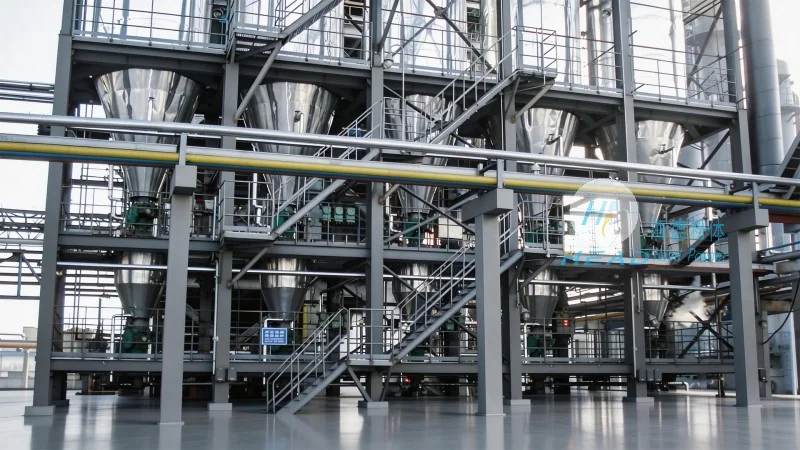
Positive Pressure Dye Transport Systems
Positive pressure systems are a common choice for dye transport due to their ability to move liquids through pipelines using a pump that generates pressure. This method is particularly effective for transporting viscous dyes or those that require precise control over flow rates. The pump, often a centrifugal or positive displacement type, creates a pressure differential that pushes the dye forward, ensuring consistent delivery to the processing equipment. HeadPowder specializes in designing and manufacturing such systems, which can be customized to handle different dye viscosities and flow requirements. These systems are widely used in textile and printing industries where uniform dye application is essential.
Negative Pressure or Suction Dye Transport
Negative pressure systems, also known as suction or vacuum-assisted transport, rely on creating a partial vacuum at the receiving end to draw the dye from the source. This method is advantageous for applications where the dye needs to be moved over short distances or where the source is elevated. The system typically includes a vacuum pump and a suction line that connects to the dye container. By reducing pressure at the intake, the dye is drawn into the pipeline and transported to the processing point. While effective for certain scenarios, negative pressure systems may not be suitable for high-viscosity dyes or long-distance transport due to potential clogging or reduced efficiency. HeadPowder's expertise in vacuum technology allows for the design of robust suction systems that maintain consistent flow and prevent air entrainment, which can affect dye quality.
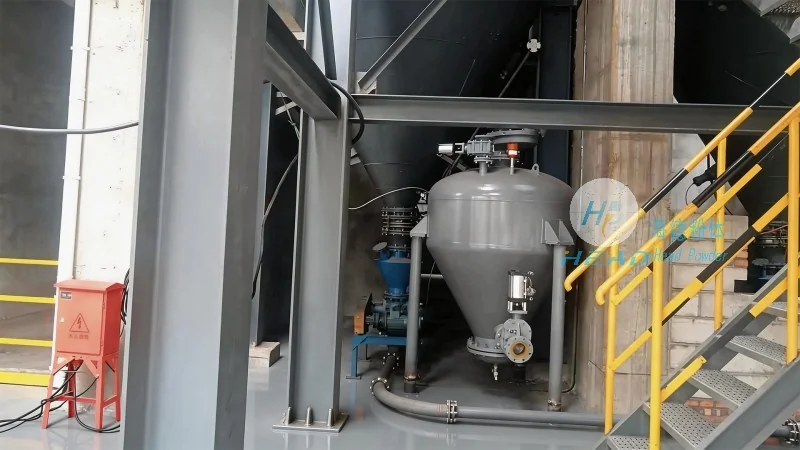
Gravity-Driven Dye Transport
Gravity-driven transport systems utilize the natural force of gravity to move dyes from a higher to a lower elevation. This method is ideal for facilities where the dye storage tank is positioned above the processing equipment, eliminating the need for external power or pumps. The dye flows through a gravity-fed pipeline, with the flow rate controlled by valves and the height difference between the tank and the processing point. This approach is energy-efficient and cost-effective for low-viscosity dyes that can flow easily under gravity. However, it is limited by the vertical distance available and the viscosity of the dye. For applications requiring precise control over flow rates, additional components like flow meters and control valves are integrated into the system. HeadPowder designs gravity systems that ensure smooth and consistent flow, minimizing the risk of clogging and ensuring reliable delivery of the dye to the target location.
Pneumatic Conveying for Dye Transport
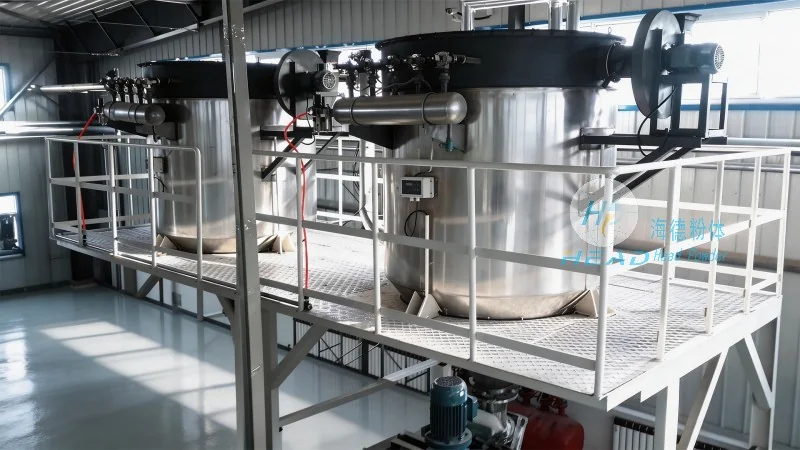
Pneumatic conveying systems use air or other gases to transport dyes in a suspended state, making them suitable for handling fine powders or granules that are difficult to pump. This method involves creating a pressure differential between the source and the destination, where the dye particles are carried by the moving air stream. There are two main types of pneumatic conveying: dilute phase and dense phase. Dilute phase systems use low air velocity to transport small particles over moderate distances, while dense phase systems use higher air velocity and pressure to move larger particles or bulk materials. Pneumatic conveying offers advantages such as the ability to transport dyes without direct contact with the pipeline, reducing the risk of contamination and wear. HeadPowder provides customized pneumatic conveying solutions that can handle various dye forms, from liquids to powders, ensuring efficient and clean transport. This method is particularly useful in industries where the dye needs to be transported over long distances or through complex layouts.
Hybrid Dye Transport Systems
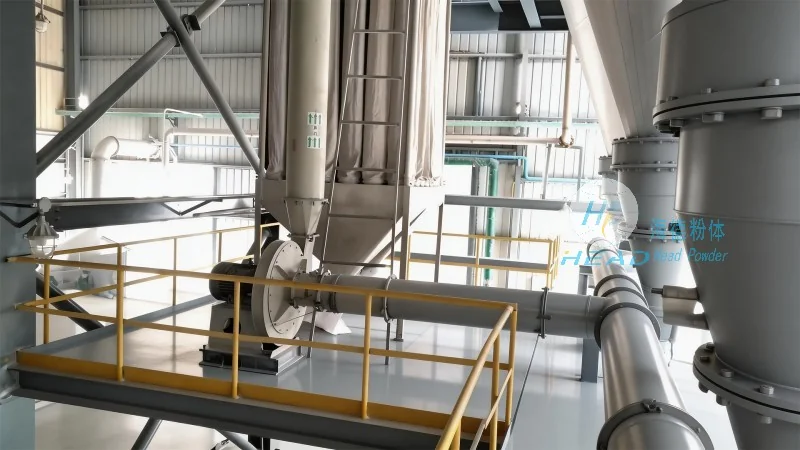
Hybrid systems combine two or more of the above methods to address specific challenges in dye transport. For example, a system might use positive pressure to move the dye through the main pipeline and then switch to gravity or suction for the final delivery to the processing equipment. These hybrid approaches allow for greater flexibility and adaptability, ensuring optimal performance under varying conditions. HeadPowder specializes in designing hybrid systems that integrate different technologies to meet the unique requirements of each client. By combining the strengths of multiple transport methods, hybrid systems can achieve higher efficiency, lower energy consumption, and improved product quality. This approach is particularly beneficial for large-scale operations where different dye types or viscosities are processed simultaneously.
Key Considerations for Choosing a Dye Transport Method
When selecting a dye transport method, several factors must be considered to ensure the best fit for the application. These include the viscosity and density of the dye, the distance it needs to be transported, the required flow rate, and the available infrastructure. The choice of method also impacts operational costs, maintenance requirements, and the overall safety of the system. Positive pressure systems are generally more versatile and suitable for a wide range of dyes, while negative pressure systems are better for short-distance or elevated transport. Gravity systems are cost-effective for low-viscosity dyes but limited by vertical distance. Pneumatic conveying is ideal for powders and bulk materials. HeadPowder recommends conducting a thorough analysis of the dye properties and operational needs before deciding on a transport method. By working closely with clients, HeadPowder can provide tailored solutions that optimize performance and reduce long-term costs.
Conclusion
Efficient dye transport is essential for maintaining product quality and operational efficiency in industries such as textiles, printing, and chemicals. Shandong HeadPowder Engineering Co., Ltd. offers a range of transport methods, from positive pressure and suction systems to gravity and pneumatic conveying, each designed to meet specific application requirements. By understanding the characteristics of the dye and the operational constraints, clients can choose the most suitable transport method. HeadPowder's expertise in engineering and manufacturing ensures that the chosen system is reliable, efficient, and cost-effective, helping clients achieve their production goals while maintaining high standards of product quality. Whether you need to transport viscous liquids, fine powders, or bulk materials, HeadPowder provides the solutions to ensure smooth and consistent dye delivery.

 Công ty TNHH Kỹ thuật Công trình Bột Hải Đức Sơn Đông
 156-6277-7102(Quản lý Trương)
  0531-83386006
  Quận Chương Khâu, Thành phố Tế Nam, Tỉnh Sơn Đông, Trung Quốc
Điện thoại
WeChatTư vấn
Lên đầu