Công ty Hải Đức Bột với hơn 10 năm kinh nghiệm vận chuyển khí, cung cấp hệ thống‑thiết bị‑quạt gió và nhận dự án tổng thầu bột cả nước
Flake graphite, a form of natural graphite with distinct plate-like structures, is widely used in various industrial applications due to its excellent electrical conductivity, thermal stability, and lubricating properties. As a result, efficient and reliable conveying methods are crucial for handling this material from production sites to processing facilities or end-use applications. This article explores the primary methods of flake graphite conveyance, with a focus on the advantages and features of pneumatic conveying, a modern solution that has revolutionized material handling in the graphite industry.
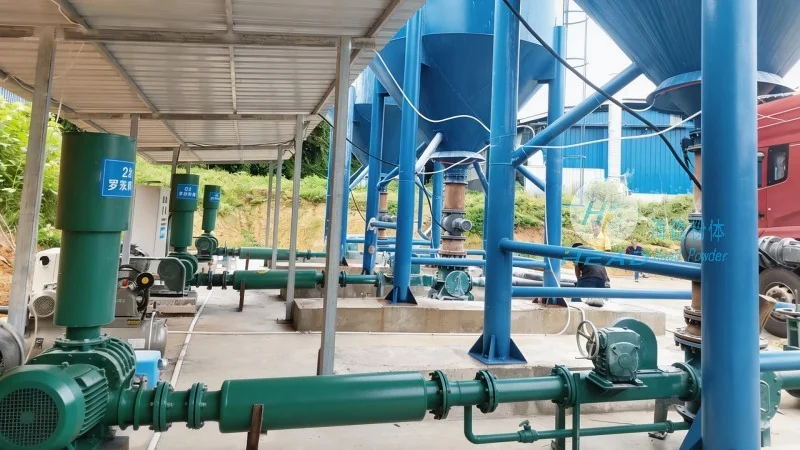
About Shandong HeadPowder Engineering Co., Ltd.
Shandong HeadPowder Engineering Co., Ltd., commonly known as HeadPowder, is a leading provider of specialized equipment and solutions for the mineral processing and material handling sectors. With a strong commitment to innovation and quality, the company has established itself as a trusted partner for clients seeking advanced technologies in the handling of graphite and other minerals. HeadPowder’s expertise lies in designing and manufacturing equipment that meets the unique requirements of each project, ensuring optimal performance and durability in demanding industrial environments. The company’s headquarters is located in Shandong, China, where it continues to develop cutting-edge solutions to address the evolving needs of the global graphite market.
Traditional Flake Graphite Conveying Methods
Historically, flake graphite has been conveyed using conventional methods such as belt conveyors, screw conveyors, and bucket elevators. These systems have been widely adopted due to their simplicity and relatively low initial costs. Belt conveyors, for example, are effective for transporting large volumes of material over short to medium distances, while screw conveyors are suitable for handling bulk materials in vertical or inclined orientations. Bucket elevators, on the other hand, are ideal for vertical lifting of materials, often used in combination with other conveying equipment to form a complete material handling system. However, these traditional methods have several limitations, particularly when dealing with fine or dusty materials like flake graphite. Issues such as material degradation, dust generation, and the need for frequent maintenance have prompted the development of more advanced conveying technologies.
Pneumatic Conveying: A Modern Solution for Flake Graphite Handling
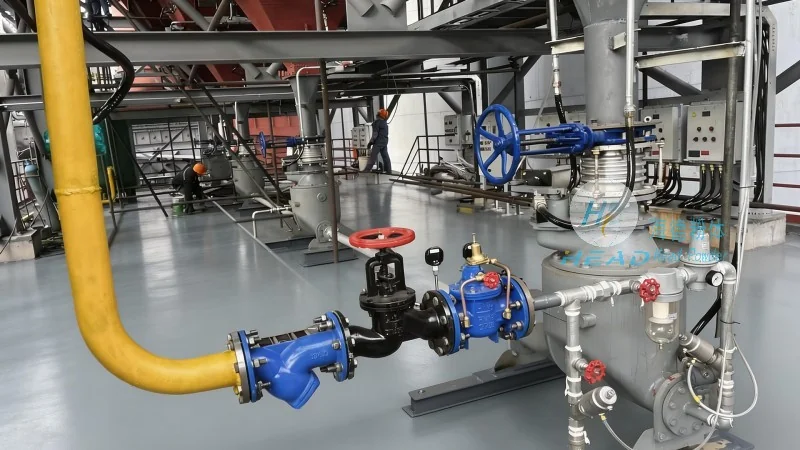
Pneumatic conveying, also known as air conveying, has emerged as a preferred method for transporting flake graphite due to its numerous advantages over traditional systems. This technology involves the use of air or gas to move material through a pipeline system, eliminating the need for mechanical components like belts or screws. The process typically involves a hopper or feeder that feeds the material into a pipeline, where it is carried by a stream of air. The air velocity is carefully controlled to ensure that the material is transported without causing excessive wear or degradation. Pneumatic conveying offers several key benefits for flake graphite handling:
Reduced Material Degradation: Unlike mechanical systems that can cause abrasion or breakage, pneumatic conveying minimizes the risk of damage to flake graphite particles. This is particularly important for high-value applications where the integrity of the material is critical.
Efficient Dust Control: By containing the material within a sealed pipeline, pneumatic conveying significantly reduces dust emissions compared to open systems. This not only improves workplace safety but also helps in maintaining environmental compliance.
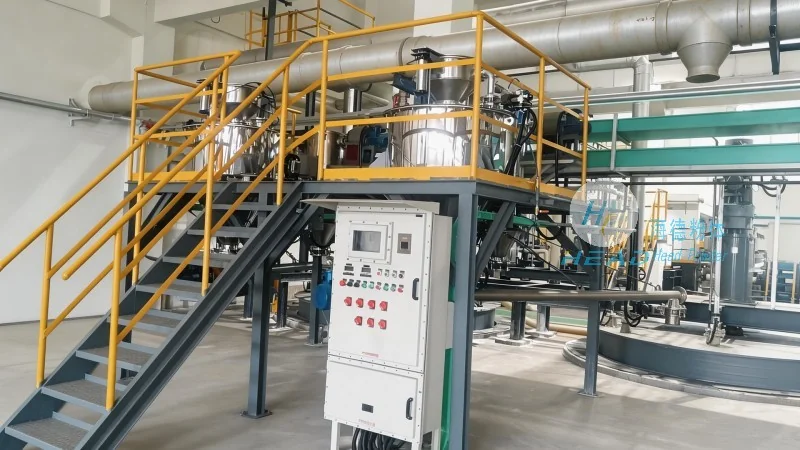
Flexibility in Layout: Pneumatic conveying systems can be easily reconfigured to accommodate changes in production processes or facility layouts. The ability to route material through multiple branches or to different destinations makes it a versatile solution for complex material handling requirements.
Low Maintenance: With fewer moving parts compared to mechanical conveyors, pneumatic systems require less maintenance, resulting in lower operational costs and increased uptime.
Key Features of Pneumatic Conveying for Flake Graphite
When considering pneumatic conveying for flake graphite, several key features should be evaluated to ensure optimal performance. These features include:
Airflow Control: Precise control of air velocity is essential to prevent material settling or blockages in the pipeline. Advanced control systems allow for real-time adjustments based on material flow rates and pipeline conditions.
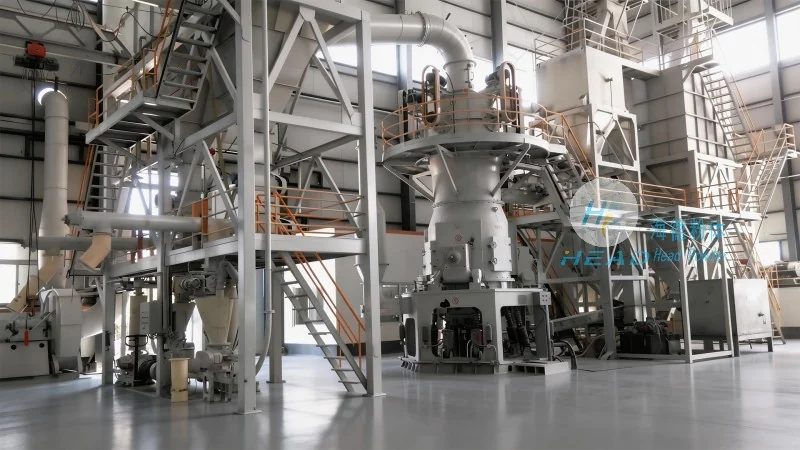
Material Feeders: The design of the feeder is critical to ensure consistent and uniform material feed into the pipeline. Properly designed feeders minimize the risk of material bridging or clogging, which can lead to system downtime.
Pipeline Design: The diameter and length of the pipeline, as well as the number of bends and fittings, all impact the efficiency of the conveying system. Optimal pipeline design minimizes pressure losses and ensures smooth material flow.
Collection Systems: Efficient collection systems are necessary to handle the material at the end of the pipeline. These systems typically include filters or cyclones to separate the material from the air stream, ensuring that the material is discharged cleanly and without contamination.
Conclusion
Flake graphite is a valuable material with diverse industrial applications, and the choice of conveying method plays a significant role in its efficient handling. While traditional methods like belt and screw conveyors have their place, pneumatic conveying has proven to be a superior solution for many applications, offering benefits such as reduced material degradation, improved dust control, and lower maintenance requirements. Shandong HeadPowder Engineering Co., Ltd. specializes in providing advanced pneumatic conveying systems tailored to the specific needs of flake graphite handling, ensuring that clients achieve optimal performance and reliability in their material processing operations. With its headquarters in Shandong, China, HeadPowder continues to lead the way in developing innovative solutions for the global graphite industry.

 Công ty TNHH Kỹ thuật Công trình Bột Hải Đức Sơn Đông
 156-6277-7102(Quản lý Trương)
  0531-83386006
  Quận Chương Khâu, Thành phố Tế Nam, Tỉnh Sơn Đông, Trung Quốc
Điện thoại
WeChatTư vấn
Lên đầu