Công ty Hải Đức Bột với hơn 10 năm kinh nghiệm vận chuyển khí, cung cấp hệ thống‑thiết bị‑quạt gió và nhận dự án tổng thầu bột cả nước
Millet, a staple grain with diverse applications in food processing and industrial uses, requires efficient and reliable transportation systems to maintain quality and operational efficiency. Conveying millet involves moving the grain from storage, processing, or packaging stages with minimal loss and contamination. Several conventional methods are widely used, each with distinct characteristics and suitability for different production scales and environments.
Traditional Conveying Methods for Millet
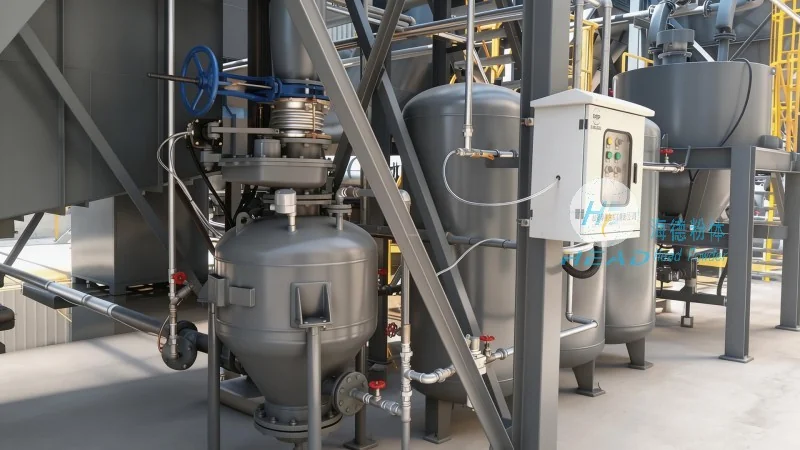
One of the most common traditional methods is mechanical conveying, which includes belt conveyors, screw conveyors, and bucket elevators. Belt conveyors use a continuous belt to transport millet horizontally or at a slight incline, suitable for long-distance horizontal transport. Screw conveyors, or augers, are cylindrical screws that move millet through a tube, ideal for vertical or inclined transport. Bucket elevators use a series of buckets attached to a belt or chain to lift millet vertically, often used in large-scale operations. These methods are generally cost-effective and easy to install but may suffer from issues like grain damage, high energy consumption, and limited flexibility in handling varying grain conditions.
Advantages of Pneumatic Conveying for Millet
Pneumatic conveying, or air-based transport, offers a modern alternative to traditional methods, particularly for handling fine or delicate grains like millet. This technology uses compressed air to transport millet through a pipeline system, eliminating the need for mechanical components that can cause friction and breakage. The key advantages of pneumatic conveying for millet include reduced product damage, lower energy consumption compared to some mechanical systems, and the ability to handle both dry and slightly moist millet without degradation. Additionally, pneumatic systems provide better containment and hygiene, which is critical in food processing applications where product purity and safety are paramount.
HeadPowder's Pneumatic Conveying System: Key Features
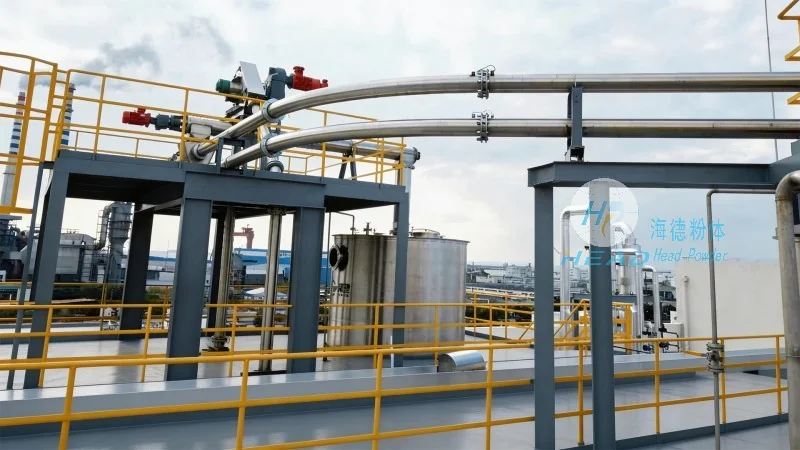
Shandong HeadPowder Engineering Co., Ltd., a leading manufacturer in the field, has developed advanced pneumatic conveying systems tailored for millet handling. The company's solutions are designed to address the unique challenges of millet transportation, such as preventing clogging, maintaining consistent air flow, and ensuring minimal particle breakage. HeadPowder's systems utilize high-efficiency air compressors and specialized pipeline designs to optimize performance. For instance, their systems may include features like pulse-jet cleaning to prevent dust accumulation and variable speed control to adjust air pressure based on the grain's moisture content and bulk density.
Customization and Scalability of HeadPowder's Millet Conveying Solutions
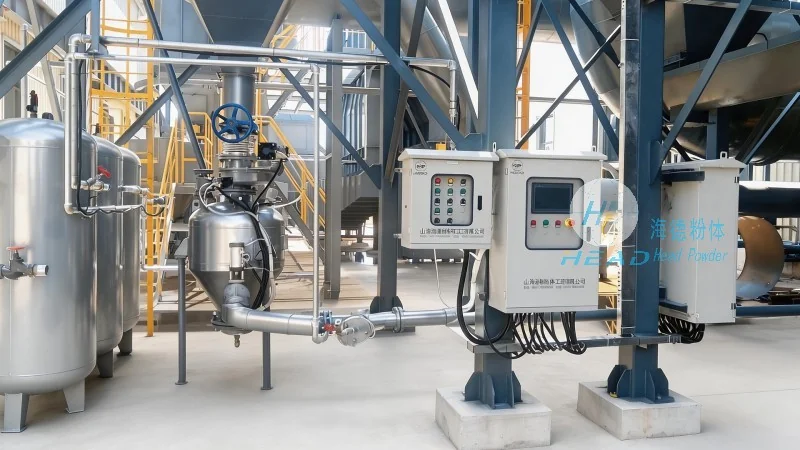
HeadPowder understands that millet processing facilities vary in size and operational needs. Therefore, their pneumatic conveying systems are highly customizable to meet specific requirements. Whether a facility handles small batches of high-value millet or large-scale industrial production, the company offers solutions that can be scaled up or down. The systems can be integrated with existing processing lines or designed as standalone units, providing flexibility for both new installations and retrofit projects. This adaptability ensures that clients can optimize their millet handling processes without significant disruption to current operations.
Enhanced Efficiency and Cost Savings with HeadPowder's Technology
Implementing HeadPowder's pneumatic conveying systems can lead to significant improvements in operational efficiency and cost savings for millet processors. By reducing product damage, the systems help maintain the grain's quality, which is crucial for maintaining market value and customer satisfaction. Lower energy consumption compared to traditional mechanical conveyors translates to reduced operational costs over time. Additionally, the improved hygiene and containment features of pneumatic systems reduce the risk of contamination, minimizing the need for costly quality control measures and potential product recalls. These benefits collectively contribute to a more sustainable and profitable millet handling operation.
Conclusion: Choosing the Right Millet Conveying Solution
When selecting a millet conveying method, it is essential to consider factors such as grain quality, operational scale, and long-term cost implications. While traditional mechanical methods remain viable for some applications, pneumatic conveying offers superior performance and flexibility, especially for delicate grains like millet. Shandong HeadPowder Engineering Co., Ltd. provides advanced pneumatic conveying solutions that address the specific needs of millet processors, ensuring efficient, safe, and cost-effective transportation. By leveraging HeadPowder's expertise and technology, facilities can enhance their millet handling capabilities and maintain a competitive edge in the market.

 Công ty TNHH Kỹ thuật Công trình Bột Hải Đức Sơn Đông
 156-6277-7102(Quản lý Trương)
  0531-83386006
  Quận Chương Khâu, Thành phố Tế Nam, Tỉnh Sơn Đông, Trung Quốc
Điện thoại
WeChatTư vấn
Lên đầu