Công ty Hải Đức Bột với hơn 10 năm kinh nghiệm vận chuyển khí, cung cấp hệ thống‑thiết bị‑quạt gió và nhận dự án tổng thầu bột cả nước
Shandong HeadPowder Engineering Co., Ltd. specializes in providing advanced solutions for solid powder conveying systems, catering to diverse industrial needs with efficiency and reliability. The company, based in Shandong, China, offers a range of technologies designed to handle various powder characteristics and operational requirements. This article explores the primary methods used for solid powder conveying, highlighting the key considerations and applications for each approach.
1. Air-Driven Pneumatic Conveying Systems
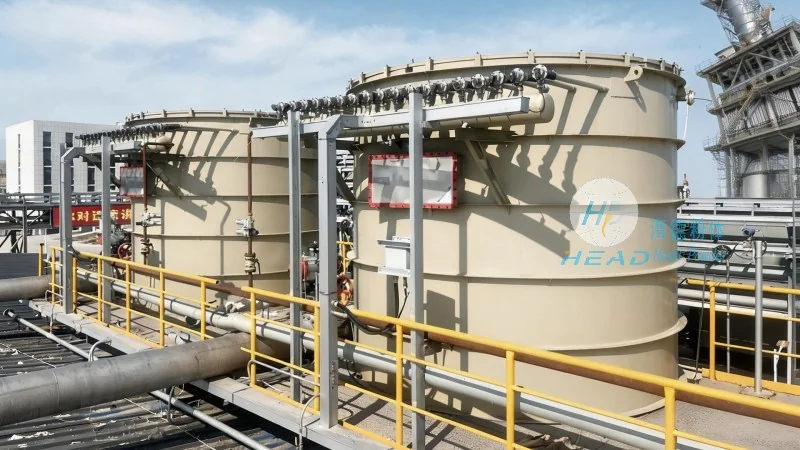
Pneumatic conveying, also known as air-driven systems, is a widely used method for transporting solid powders over short to medium distances. This technology utilizes compressed air or other gases to move powders through a pipeline network. HeadPowder's pneumatic conveying solutions are engineered to handle fine to coarse powders, ensuring minimal product degradation and efficient transport. The system typically consists of a hopper, a feeder, and a pipeline with control valves and filters. By controlling the air flow and pressure, operators can adjust the conveying rate and maintain product quality. Pneumatic systems are particularly effective for applications requiring dust-free handling and gentle material movement, such as in pharmaceutical, food, and chemical industries.
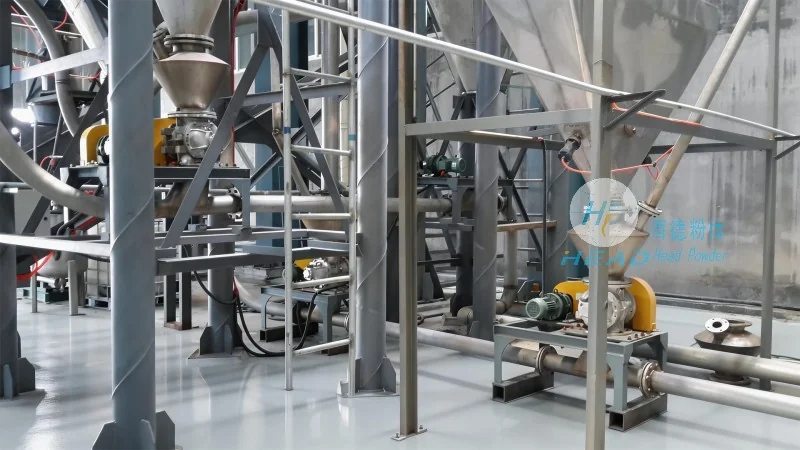
2. Screw or Auger Conveyors
Screw conveyors, also called auger conveyors, are mechanical devices that use a rotating screw to move solid powders. These systems are ideal for horizontal or slight incline transport and are commonly used in bulk material handling. HeadPowder's screw conveyors are constructed with durable materials like stainless steel or carbon steel, ensuring resistance to corrosion and wear. The design includes a helical screw inside a trough, which rotates to push the powder forward. The speed and pitch of the screw can be adjusted to control the conveying capacity and prevent material bridging or clogging. Screw conveyors are suitable for a variety of powders, including those with high moisture content or abrasive properties, making them versatile for different industrial processes.
3. Belt Conveyors
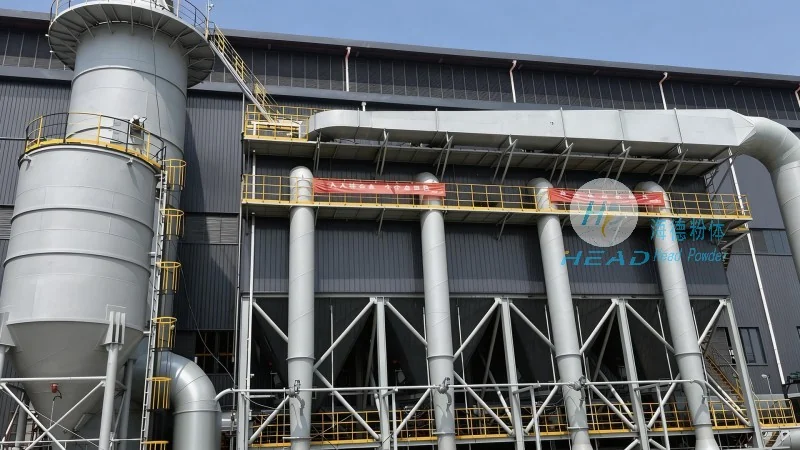
Belt conveyors are another common method for solid powder transport, especially for long-distance or high-volume applications. These systems use a continuous belt that moves over rollers or pulleys to carry powders. HeadPowder's belt conveyor solutions are designed with heavy-duty belts and robust frame structures to handle heavy loads and abrasive materials. The conveyor can be configured with multiple sections, inclines, and transfer points to accommodate complex material flow paths. Belt conveyors are effective for transporting powders that are prone to segregation or require gentle handling, such as in mining, agriculture, and construction industries. The system can be equipped with load cells and sensors to monitor weight and flow rates, ensuring accurate material tracking and process control.
4. Hydraulic Conveying Systems
Hydraulic conveying systems utilize fluid pressure to transport solid powders, offering a unique approach to material handling. HeadPowder's hydraulic solutions are particularly useful for handling sticky or cohesive powders that may clog traditional pneumatic or mechanical systems. The system operates by pumping a fluid, often water or oil, through a pipeline, and the powder is suspended and moved by the fluid flow. This method provides gentle material handling and can handle high concentrations of solids. Hydraulic conveying is commonly used in industries like mining and chemical processing, where the transport of large volumes of ore or slurry is required. The system can be integrated with filtration and separation equipment to maintain product purity and prevent equipment damage.
5. Vibrating Conveyors
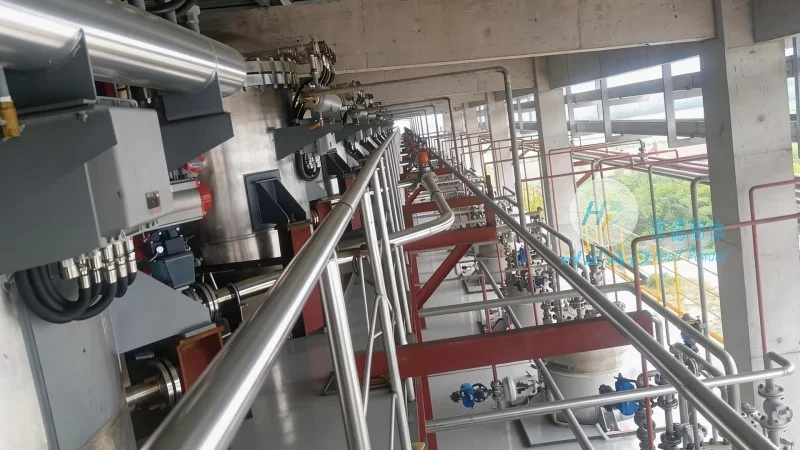
Vibrating conveyors use mechanical vibrations to move solid powders along a trough. These systems are effective for transporting powders with high moisture content or those that tend to stick to surfaces. HeadPowder's vibrating conveyor designs incorporate adjustable vibration frequencies and amplitudes to optimize material flow. The trough is typically made of stainless steel or other corrosion-resistant materials, ensuring durability and hygiene. Vibrating conveyors are suitable for applications where gentle handling is critical, such as in food processing and pharmaceutical manufacturing. The system can be equipped with cleaning mechanisms and sensors to monitor performance and prevent blockages. By controlling the vibration parameters, operators can adjust the conveying rate and prevent material degradation, ensuring consistent product quality.
6. Bucket Elevators
Bucket elevators are vertical or inclined conveyor systems that use buckets attached to a chain or belt to transport solid powders. These systems are ideal for vertical transport over significant heights and are commonly used in bulk material handling. HeadPowder's bucket elevator solutions are designed with heavy-duty buckets and robust drive mechanisms to handle high loads and abrasive materials. The system consists of a head drum, a tail drum, and a vertical or inclined trough, with buckets that scoop up the powder at the bottom and release it at the top. Bucket elevators are effective for transporting powders that are prone to segregation or require high vertical lift, such as in cement, coal, and grain industries. The design allows for efficient material transport with minimal space requirements, making it suitable for industrial settings with limited floor space.

 Công ty TNHH Kỹ thuật Công trình Bột Hải Đức Sơn Đông
 156-6277-7102(Quản lý Trương)
  0531-83386006
  Quận Chương Khâu, Thành phố Tế Nam, Tỉnh Sơn Đông, Trung Quốc
Điện thoại
WeChatTư vấn
Lên đầu