Công ty Hải Đức Bột với hơn 10 năm kinh nghiệm vận chuyển khí, cung cấp hệ thống‑thiết bị‑quạt gió và nhận dự án tổng thầu bột cả nước
For many industries, the efficient and reliable transport of rice bran is crucial to maintaining production efficiency and product quality. Rice bran, a byproduct of rice milling, is widely used in the food, feed, and cosmetic industries due to its nutritional value and functional properties. However, the handling and conveying of rice bran present unique challenges due to its fine particle size, hygroscopic nature, and potential for dust generation. Traditional conveying methods, such as screw conveyors or belt conveyors, may struggle with these characteristics, leading to issues like material degradation, contamination, and operational inefficiencies.
Challenges of Traditional Conveying Methods for Rice Bran
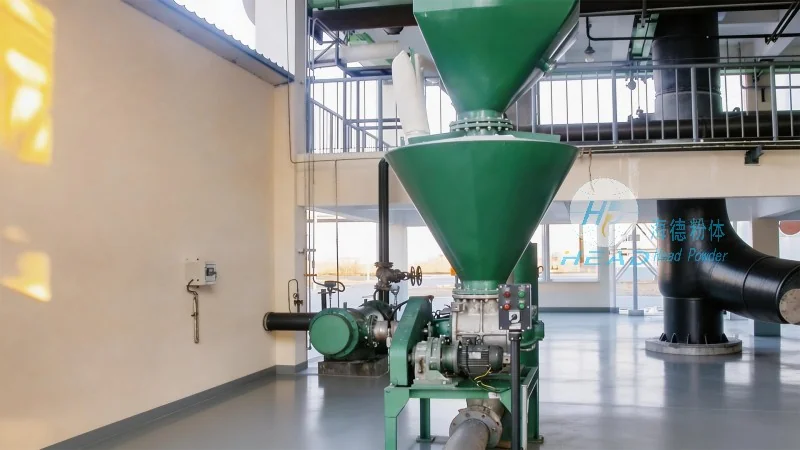
Conventional conveying systems often face several drawbacks when handling rice bran. For instance, screw conveyors can cause friction and heat generation, which may affect the bran's moisture content and nutritional value. Belt conveyors, while suitable for bulk materials, may not effectively control dust and can lead to product contamination if not properly sealed. These limitations highlight the need for more advanced and specialized conveying solutions that can address the specific challenges of rice bran transport.
Pneumatic Conveying: An Advanced Solution for Rice Bran Transport
Pneumatic conveying, also known as air conveying, is a method that uses compressed air to transport bulk materials through a pipeline system. This technology has gained significant attention in the rice bran industry due to its ability to handle fine, hygroscopic materials like rice bran with minimal degradation. The core components of a pneumatic conveying system typically include a blower or compressor, a hopper for material storage, a conveying line, and a receiver for the discharged material. The system operates by creating a pressure differential that propels the rice bran particles through the pipeline using air currents.
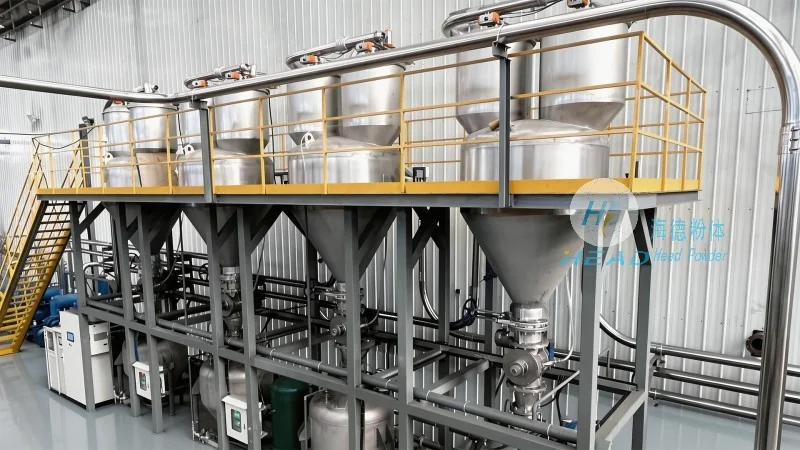
Key Advantages of Pneumatic Conveying for Rice Bran
One of the primary advantages of pneumatic conveying for rice bran is its ability to maintain product integrity. The enclosed system prevents exposure to external contaminants, such as dust, moisture, or foreign particles, which is critical for applications where product purity is paramount. Unlike mechanical conveyors, pneumatic systems do not generate friction or heat, reducing the risk of moisture loss or nutritional degradation. This makes pneumatic conveying particularly suitable for high-value rice bran products used in food and pharmaceutical applications.
Flexibility and Adaptability in Pneumatic Conveying Systems
Another key feature of pneumatic conveying is its flexibility and adaptability. The system can be configured to handle various particle sizes and flow rates, allowing for customization based on specific production requirements. Additionally, the conveying line can be designed to follow complex layouts, including vertical and horizontal segments, without the need for additional equipment like elevators or transfer points. This flexibility simplifies the integration of the conveying system into existing production lines, reducing installation time and costs.
High Efficiency and Capacity in Material Transport
Pneumatic conveying also offers high transport efficiency and capacity. The use of compressed air allows for the rapid movement of large volumes of rice bran, reducing downtime and increasing overall production throughput. The system can be optimized to achieve consistent flow rates, ensuring that the conveying process remains stable and reliable. This efficiency is further enhanced by the ability to control the air pressure and flow rate, which can be adjusted in real-time to match production demands.
Hygiene and Environmental Benefits
From a hygiene and environmental perspective, pneumatic conveying provides significant benefits. The enclosed pipeline system minimizes dust emissions, contributing to a cleaner working environment and reducing the risk of respiratory issues for operators. This is particularly important in food processing facilities where strict hygiene standards are required. Additionally, the system can be equipped with filtration and dust collection systems to capture any airborne particles, further improving air quality and compliance with environmental regulations.
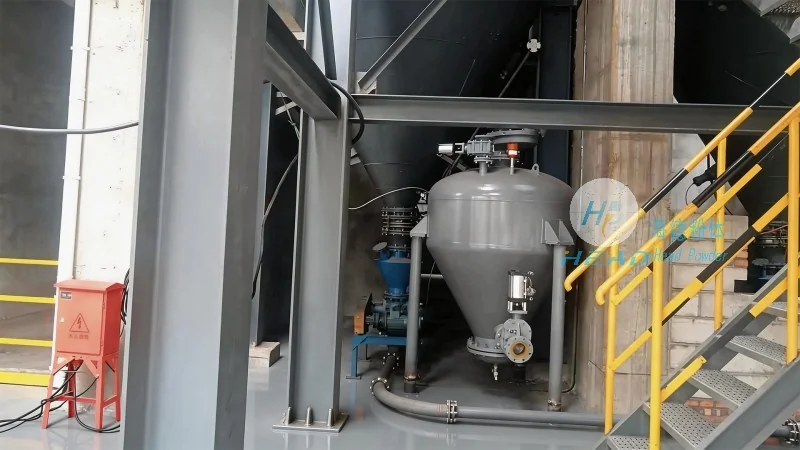
Shandong HeadPowder Engineering Co., Ltd.: Expertise in Pneumatic Conveying Solutions
Shandong HeadPowder Engineering Co., Ltd., a leading provider of material handling solutions, specializes in designing and manufacturing advanced pneumatic conveying systems tailored to the needs of the rice bran industry. With years of experience in the field, the company has developed innovative solutions that address the unique challenges of rice bran transport, ensuring optimal performance and product quality. The company's commitment to quality and customer satisfaction has made it a trusted partner for many rice processing facilities worldwide.
Conclusion: The Role of Pneumatic Conveying in Modern Rice Bran Processing
In conclusion, pneumatic conveying represents a superior solution for the transport of rice bran compared to traditional methods. Its ability to maintain product integrity, provide high efficiency, and ensure a clean, hygienic operation makes it an ideal choice for modern rice processing plants. As the demand for high-quality rice bran products continues to grow, the adoption of advanced conveying technologies like pneumatic systems will play a crucial role in meeting industry needs and maintaining competitive advantage.

 Công ty TNHH Kỹ thuật Công trình Bột Hải Đức Sơn Đông
 156-6277-7102(Quản lý Trương)
  0531-83386006
  Quận Chương Khâu, Thành phố Tế Nam, Tỉnh Sơn Đông, Trung Quốc
Điện thoại
WeChatTư vấn
Lên đầu