Công ty Hải Đức Bột với hơn 10 năm kinh nghiệm vận chuyển khí, cung cấp hệ thống‑thiết bị‑quạt gió và nhận dự án tổng thầu bột cả nước
Glass waste handling is a critical aspect of many industrial processes, and selecting the appropriate equipment to manage this material efficiently is paramount. Pneumatic conveying systems have emerged as a reliable and effective solution for transporting glass waste, offering advantages such as reduced labor costs, improved safety, and enhanced material integrity. However, with various system types and configurations available, choosing the right one for your specific glass waste handling needs requires careful consideration of several key factors. This article aims to guide you through the process of selecting the most suitable pneumatic conveying system for your glass waste transportation requirements, with a focus on the expertise and solutions offered by Shandong HeadPowder Engineering Co., Ltd., a leading manufacturer in the field.
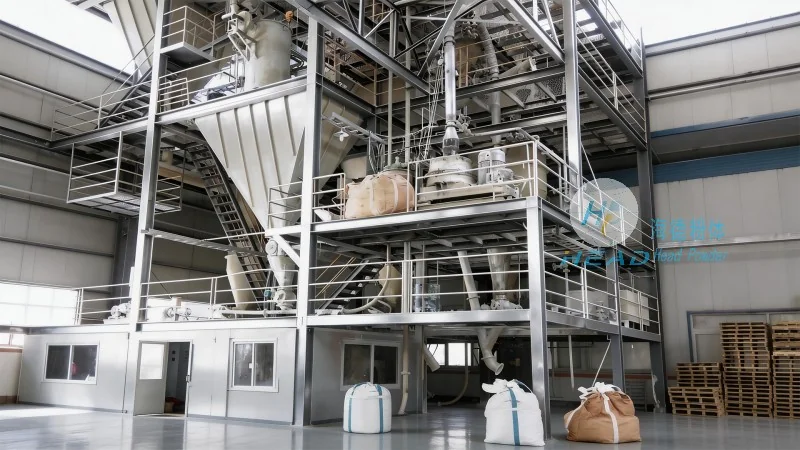
Key Factors to Consider When Selecting a Pneumatic Conveying System
Before diving into the specifics of system types, it is essential to evaluate your operational needs and the characteristics of your glass waste. Several critical factors influence the choice of a pneumatic conveying system, including the distance the material needs to be transported, the volume of glass waste to be handled, the physical properties of the glass particles (such as size, shape, and moisture content), and the desired level of system control and automation. Understanding these factors will help narrow down the options and ensure the selected system meets your operational goals effectively.
Understanding the Types of Pneumatic Conveying Systems
Pneumatic conveying systems can be broadly categorized into two main types: positive pressure (pressure) systems and negative pressure (suction) systems. Each type has distinct characteristics and is best suited for different applications.
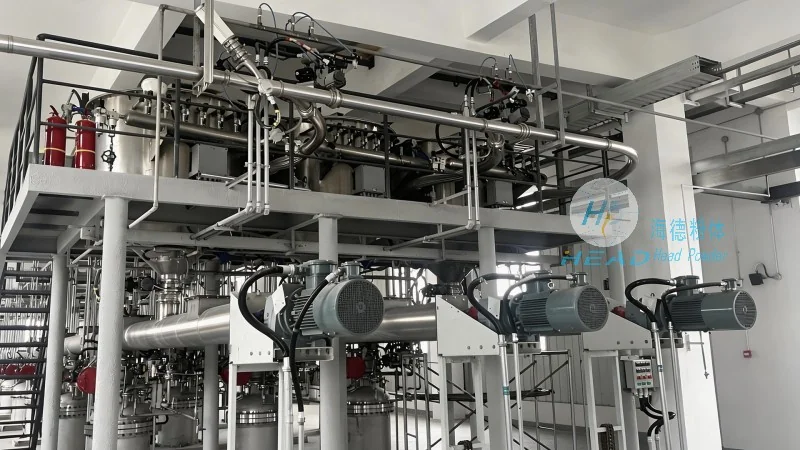
Positive pressure systems, also known as pressure conveying systems, use compressed air to push the material through the pipeline. These systems are typically more suitable for longer distances and higher material loads, as they can maintain consistent pressure and flow rates. They are often preferred for applications where the material needs to be transported over significant distances or where the system needs to operate under high pressure. Positive pressure systems are generally more robust and can handle a wider range of material types, including abrasive or corrosive materials like glass waste.
Negative pressure systems, or suction conveying systems, use a vacuum to draw the material into the pipeline. These systems are ideal for shorter distances and lower material loads, as they rely on the vacuum created by a fan or blower to pull the material through the system. Negative pressure systems are often more cost-effective for shorter transport distances and can be more flexible in terms of layout, as they do not require high-pressure air compressors. However, they may be less efficient for longer distances or high-volume applications, as the vacuum can drop over distance, affecting material flow.
Evaluating Your Glass Waste Characteristics
The physical properties of your glass waste are a critical determinant in selecting the appropriate pneumatic conveying system. For instance, the size and shape of the glass particles can impact the system's efficiency. Smaller, more uniform particles may be easier to convey using a negative pressure system, while larger or irregularly shaped particles may require a positive pressure system with higher air velocity to prevent blockages. Additionally, the moisture content of the glass waste is important, as high moisture levels can lead to caking or agglomeration, which can hinder the material's flow and potentially damage the system components. Proper drying or conditioning of the glass waste may be necessary to ensure smooth operation.
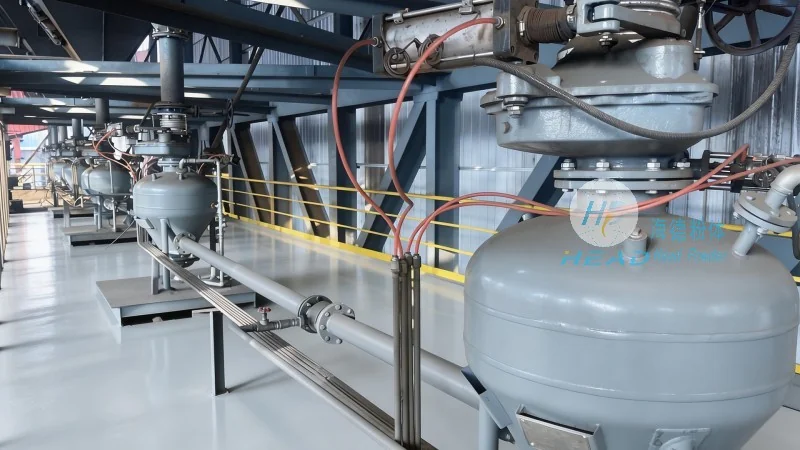
Another factor to consider is the density and abrasiveness of the glass waste. Glass is a hard and abrasive material, which means that the system components, such as pipelines, valves, and pumps, must be constructed from durable materials to withstand wear and tear. High-density glass waste may require higher air pressure or velocity to maintain consistent flow, while abrasive glass waste may necessitate special coatings or materials to prevent premature wear.
HeadPowder's Expertise in Glass Waste Pneumatic Conveying
Shandong HeadPowder Engineering Co., Ltd., commonly known as HeadPowder, is a leading manufacturer specializing in the design, manufacturing, and supply of pneumatic conveying systems for various industrial applications, including glass waste handling. With years of experience and a deep understanding of the challenges associated with glass waste transportation, HeadPowder offers customized solutions tailored to the specific needs of each client. The company's team of engineers and technicians works closely with clients to assess their operational requirements, evaluate the characteristics of their glass waste, and recommend the most suitable system configuration.
HeadPowder's pneumatic conveying systems are designed with durability and efficiency in mind, incorporating high-quality materials and advanced technology to ensure reliable performance. The company offers both positive and negative pressure systems, as well as hybrid systems that combine the benefits of both, allowing for greater flexibility in handling different types of glass waste and varying transport distances. HeadPowder's systems are equipped with features such as adjustable air velocity controls, material flow monitoring, and automated shut-off valves, enhancing operational safety and efficiency.
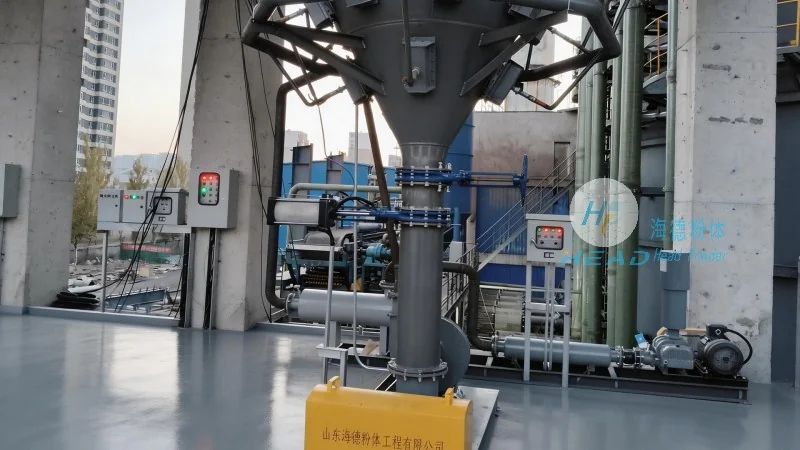
HeadPowder's commitment to quality and customer satisfaction is reflected in its rigorous testing and quality control processes. Each system is thoroughly tested before delivery to ensure it meets the client's specifications and operates as intended. The company also provides comprehensive after-sales support, including maintenance services, spare parts supply, and technical assistance, to ensure the long-term reliability and performance of the installed systems.
Conclusion
Selecting the right pneumatic conveying system for your glass waste handling process is a critical decision that can significantly impact operational efficiency, safety, and cost-effectiveness. By carefully evaluating factors such as system type, transport distance, material characteristics, and operational requirements, you can choose a system that meets your needs effectively. With its expertise and customized solutions, Shandong HeadPowder Engineering Co., Ltd. is a trusted partner for businesses seeking reliable and efficient glass waste transportation solutions. Based in Shandong, China, HeadPowder leverages its local presence and technical capabilities to deliver high-quality pneumatic conveying systems that enhance the performance of glass waste handling operations.

 Công ty TNHH Kỹ thuật Công trình Bột Hải Đức Sơn Đông
 156-6277-7102(Quản lý Trương)
  0531-83386006
  Quận Chương Khâu, Thành phố Tế Nam, Tỉnh Sơn Đông, Trung Quốc
Điện thoại
WeChatTư vấn
Lên đầu